Search


Bhai Dooj 2026
 438
438
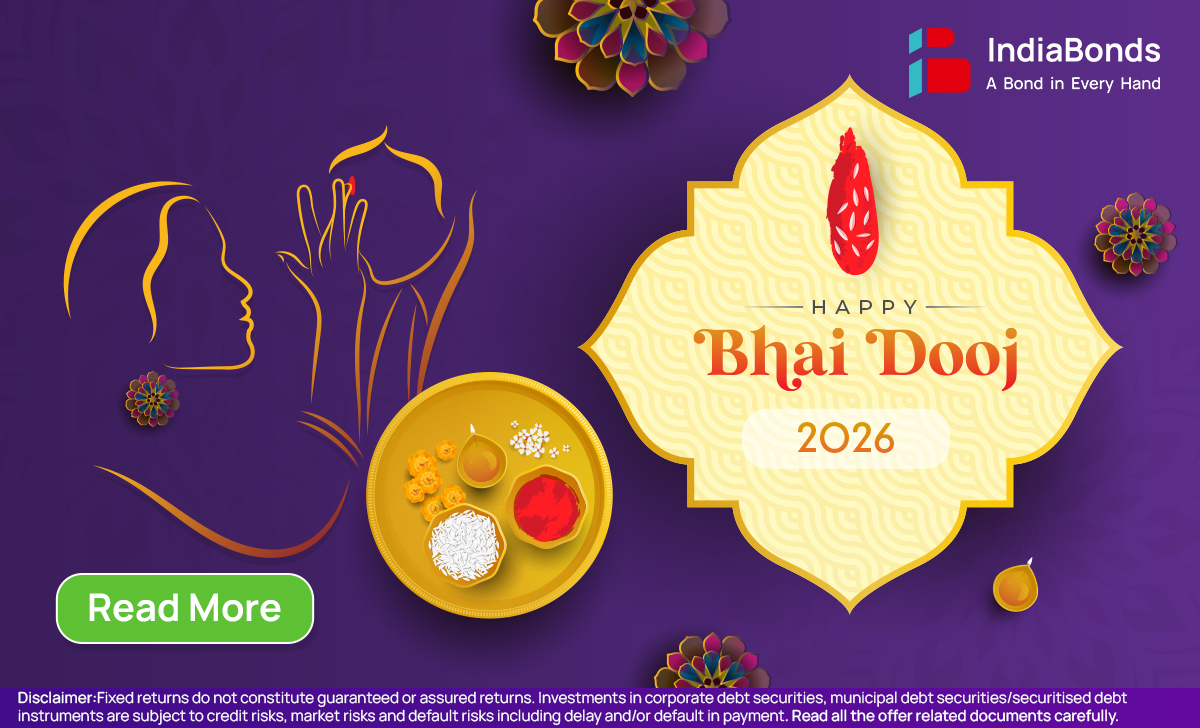
Diwali always gets the grand entrance — the fireworks, the lights, the noise. But Bhai Dooj? It slips in quietly, two days later, like the younger sibling it essentially celebrates. The sweets are still around, the festive mood has not quite faded, and then someone’s sister is on the phone asking, “What time are you coming?” That call, more than any ritual or tradition, is what Bhai Dooj really sounds like.
In 2026, Bhai Dooj falls on October 29. Brothers across the country are already — consciously or not — mentally noting the date. Sisters are thinking about what to cook. And somewhere in between the planning and the showing up, something genuinely lovely tends to happen. It has been that way for generations, and Bhai Dooj 2026 is unlikely to be any different.
Is Bhai Duj a Public Holiday?
Every year without fail, this question does the rounds — usually from someone staring at a calendar and trying to decide whether to book a bus ticket or just request a casual leave.
The answer is not one-size-fits-all. In states like Uttar Pradesh, Bihar, and Uttarakhand, Bhai Dooj 2026 is a gazetted public holiday — offices close, schools shut, and people actually get the chance to travel without burning through their leave balance. Maharashtra, where the day is celebrated as Bhau Beej, also marks it as an official holiday. Southern states and many larger cities, however, tend to treat it as a regular working day. That does not stop people from quietly filing a half-day leave request and slipping out early — priorities are priorities.
The safest bet is to check the respective state government’s official holiday notification as October approaches. Calendars lie. Official notifications do not.
About Bhai Dooj
Strip everything back and Bhai Dooj is, at its heart, a day for a sister to look her brother in the eye and say — I am glad you exist. The rituals are the vehicle. The feeling is the destination.
The festival falls on the second lunar day of the Shukla Paksha in the month of Kartik, which typically lands two days after Diwali. In religious texts, it is referred to as Yama Dwitiya, and the mythology behind that name is worth knowing. According to legend, Yamraj — the Hindu god of death — paid a visit to his sister Yamuna on this day. She welcomed him warmly, placed a tilak on his forehead, fed him sweets, and prayed for his long life. Yamraj, clearly moved, declared that any brother who receives his sister’s tilak on this day would be blessed with protection and longevity. That exchange between two divine siblings became the blueprint for what millions of families now recreate every year in their own living rooms.
What makes Bhai Dooj feel different from Raksha Bandhan — though both celebrate the same bond — is its tone. Raksha Bandhan has energy, colour, shopping, planning. Bhai Dooj is quieter. The sister prepares her thali with roli, rice, a diya, flowers, and something sweet. The brother shows up. She applies the tilak, waves the aarti, feeds him with her own hands. He gives a gift — lovingly chosen or sheepishly last-minute, both are equally valid — and in that exchange, something old and warm passes between them. No announcements needed.
Bhai Duj Observances
The beauty of Bhai Dooj 2026 is that no two families will observe it in exactly the same way, and yet it will feel familiar everywhere.
The tilak ceremony is the anchor. A sister wakes up, bathes, and prepares her puja thali with care — sometimes with marigolds from the garden, sometimes with flowers bought from the corner vendor on the way back from morning chai. When her brother arrives, she seats him, applies the tilak of roli and rice on his forehead, performs the aarti, and presses sweets into his hand. In most homes, this is followed by a proper meal — his favourites, cooked without being asked, because that is just what sisters do.
Regionally, the festival wears different colours. In Maharashtra, there is a tradition where sisters playfully curse their brothers before the blessing — which sounds alarming until one learns the mythology behind it, after which it becomes one of the more endearing things about the festival. In West Bengal, Bhai Phonta sees sisters carefully drawing three lines of sandalwood paste on their brothers’ foreheads, the precision of the gesture reflecting the tenderness behind it. In Nepal, Bhai Tika unfolds over several days with rituals that underline just how seriously the sibling relationship is honoured across the subcontinent.
And then there are the families spread across cities, countries, and time zones — the ones who make it work with a video call and a box of mithai that arrives a day late because of courier delays. It is not the same as being there. Everyone knows it. But the call still gets made, the sweets still get sent, and somehow it still counts.
FAQs
What is Bhai Dooj celebrated for?
Bhai Dooj is a celebration of the bond between a brother and his sister. On this day, the sister performs a tilak ceremony, offers prayers, and wishes her brother a long and healthy life. The brother, in return, expresses his love and reaffirms his commitment to her wellbeing. It is less about the rituals themselves and more about the intention behind them.
What is the difference between Rakhi and Bhai Dooj?
Both festivals honour the sibling bond, but they do so differently. Raksha Bandhan is about the sister tying a sacred thread on her brother’s wrist — a symbol of her request for protection. Bhai Dooj flips the dynamic slightly, with the sister blessing the brother through a tilak and aarti. One asks for protection; the other offers it right back.
How is Bhai Dooj related to Diwali?
Bhai Dooj falls two days after Diwali and is considered the final celebration of the five-day festive season that begins with Dhanteras. If Diwali is the grand celebration, Bhai Dooj is the warm, unhurried goodbye — the last cup of chai before the decorations come down and ordinary life quietly resumes.
Which god is worshipped on Bhai Dooj?
Yamraj, the Hindu god of death, is the deity most closely associated with Bhai Dooj. The festival traces back to his visit to his sister Yamuna — a story that carries a quietly powerful message. If the god of death could set everything aside to spend time with his sister, the least a brother can do is show up on time.
Fixed returns do not constitute guaranteed or assured returns. Investments in
corporate debt securities, municipal debt securities/securitised debt instruments are subject to
credit risks, market risks and default risks including delay and/or default in payment. Read all the
offer related documents carefully. The inventories offered on the platform offer interest ranging
from 5% to 12.2% fixed returns p.a.
438