

Download IndiaBonds App

 Search


Gudi Padwa 2026
 85.04K
Gudi Padwa is a festival that feels like a clean, calm reset. The home looks fresh, the doorway looks cheerful, and the morning feels hopeful. In gudi padwa 2026, families will welcome the Marathi New Year with simple traditions, simple food, and a lot of warm family moments.
Gudi Padwa: Time, Date, Significance, and Rituals
Gudi padwa 2026 will be celebrated on Thursday, 19 March 2026. It falls on Chaitra Shukla Pratipada, which is the first day of the Chaitra month and is known as the Marathi New Year.
In many homes, the day starts quietly. There’s usually one person who wakes up first and begins the “festival prep” without making a big deal out of it. The entrance gets attention first—because that’s where the new year is welcomed. The doorstep is wiped again (yes, even if it was cleaned last night). The doormat is straightened. The toran is adjusted until it sits properly. Then rangoli is drawn near the door. It can be small, basic, even a little uneven. Nobody minds. On Gudi Padwa, it’s the effort that matters, not the perfect shape.
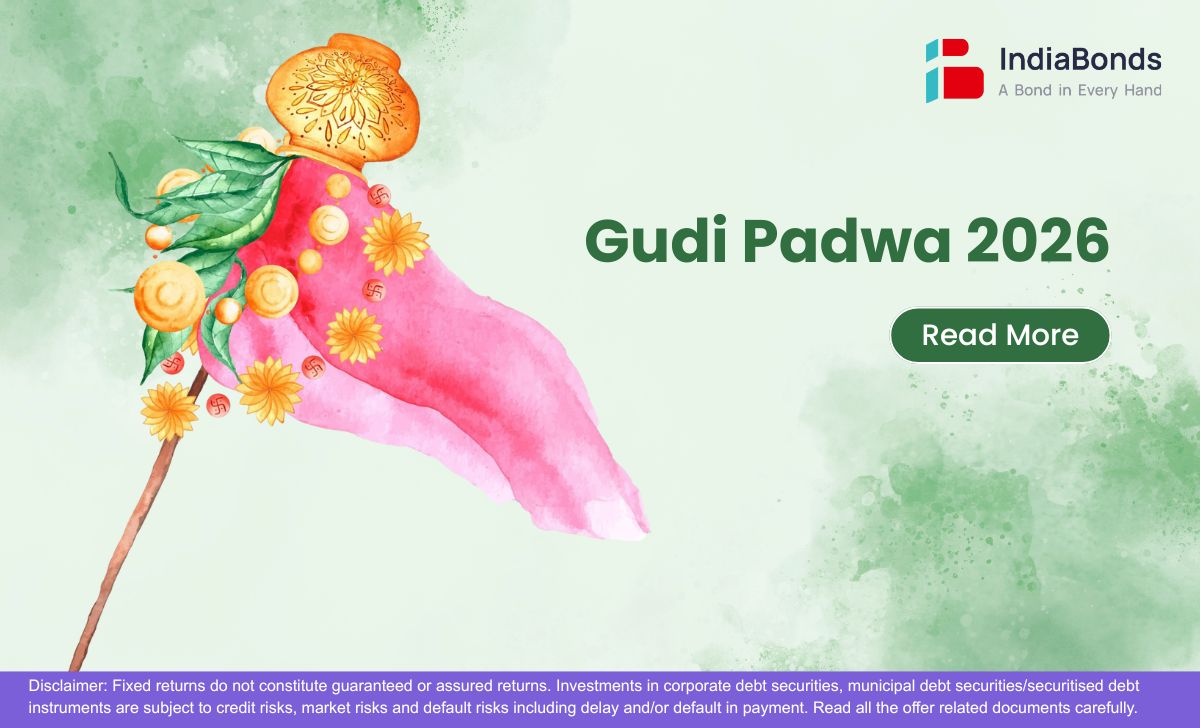
This is also when the gudi padwa meaning becomes easy to see. The gudi is raised outside the home—usually a bamboo stick with a bright cloth tied to it, and an upside-down copper or silver pot on top. Neem leaves and flowers are added, and suddenly the whole entrance looks festive.
Many families also eat neem and jaggery. Bitter and sweet together—like a simple reminder that the year will bring a mix of good and tough days.
When is Gudi Padwa celebrated?
If someone is asking when is gudi padwa, gudi padwa 2026 is on 19 March. When gudi padwa is celebrated, most families do the main rituals in the morning after sunrise. The day is usually not rushed. They raise the gudi, do a short puja, and then relax—meeting elders, calling relatives, and enjoying a festive meal at home.
Significance of the Gudi Padwa festival
The significance of the gudi padwa festival is simple: it’s about starting fresh. People celebrate it to begin the year with a clean home and a positive mind.
Many families also treat this day as a good time to begin something new. Some start a habit they kept postponing. Some decide they’ll be more regular with saving and planning. Some open new account books. Some plan an important purchase they were waiting to do on an auspicious day. Even if nothing “big” happens, the day still feels special because the home feels lighter and the mood feels better.
In Maharashtra, Gudi Padwa is loved because it feels like a real family festival. Elders guide the rituals in a calm way. Children help in small ways—bringing flowers, holding the puja plate, or simply watching the gudi being tied.
Important Timings On Gudi Padwa 2026
For gudi padwa 2026, families usually check their local panchang for the correct timing. The timing can change slightly from city to city, so people follow the panchang of their area.
Most families raise the gudi after sunrise and do the main puja in the morning hours. If someone is planning something important on gudi padwa 2026—like starting a new work step, buying something auspicious, or beginning a new commitment—elders may also check for a shubh muhurat.
For correct gudi padwa information, a city-based panchang is the easiest guide. It keeps things clear and simple.
Gudi Padwa Rituals
The rituals are easy. The house is cleaned and the entrance is decorated. Rangoli is drawn near the door. The gudi is prepared and raised outside the home. Then a short puja is done with flowers and offerings. After that, families may visit a temple, meet elders, share sweets, and sit down for a proper festive meal. The gudi padwa festival feels special because it stays simple and genuine.
What is the history of Gudi Padwa?
The history of Gudi Padwa is mostly shared through family stories and old traditions. Many people believe the gudi is a symbol of victory and good luck. By raising it outside the home, families feel they are inviting positivity and keeping away negative energy.
Some people also connect Gudi Padwa with the start of spring. The mornings feel brighter, the air feels lighter, and everything outside starts looking fresh again. That’s why the festival fits the feeling of a new season and a new beginning so well.
Gudi Padwa has stayed popular for a long time because it is easy to celebrate. It doesn’t need expensive things or complicated steps—just simple items, a clean entrance, and good intention.
How is Gudi Padwa celebrated?
Celebrations can look different in different places. Some families keep it quiet at home. Some areas have dhol, music, and small community gatherings. Many people wear traditional clothes, visit elders, and share sweets with neighbours.
For anyone searching gudi padwa how it is celebrated, the common scene is easy to picture: a gudi outside the home, rangoli at the entrance, festive food cooking in the kitchen, and family members spending the day together in a happy mood in India.
FAQ
How is the festival of Gudi Padwa different from Ugadi?
Both are New Year festivals celebrated around the same time, but in different regions. Gudi Padwa is known for raising the gudi outside homes. Ugadi is celebrated in parts of South India with different traditions and foods.
Why is Gudi Padwa celebrated?
It marks the start of the Marathi New Year and the start of a new season. People celebrate it to welcome a fresh start with good thoughts.
What do Marathis do on Gudi Padwa?
They clean and decorate the house, draw rangoli, raise the gudi, do a short puja, meet elders, share sweets, and enjoy festive food with family.
Is Gudi Padwa a bank holiday in Maharashtra?
It can be a holiday for some banks and offices, but it depends on the official holiday list for that place and year.
Is Gudi Padwa a national holiday in India?
No. It is mainly a regional holiday and not a national holiday across all states.
Fixed returns do not constitute guaranteed or assured returns. Investments in
corporate debt securities, municipal debt securities/securitised debt instruments are subject to
credit risks, market risks and default risks including delay and/or default in payment. Read all the
offer related documents carefully. The inventories offered on the platform offer interest ranging
from 5% to 12.2% fixed returns p.a.
85.04K






CIN: U67100MH2008PTC178990
SEBI Registration No.: INZ000311637
NSE Member ID - Debt Segment: 90316
BSE Member ID - Debt Segment: 6811
Caution : Beware of fraudsters and impersonators misusing the name of IndiaBonds. Always verify communications and transactions through our official website www.indiabonds.com and mobile application only. Click here for Advisory and Safety Tips.