Search


Labour Day 2026
 6.55K
6.55K
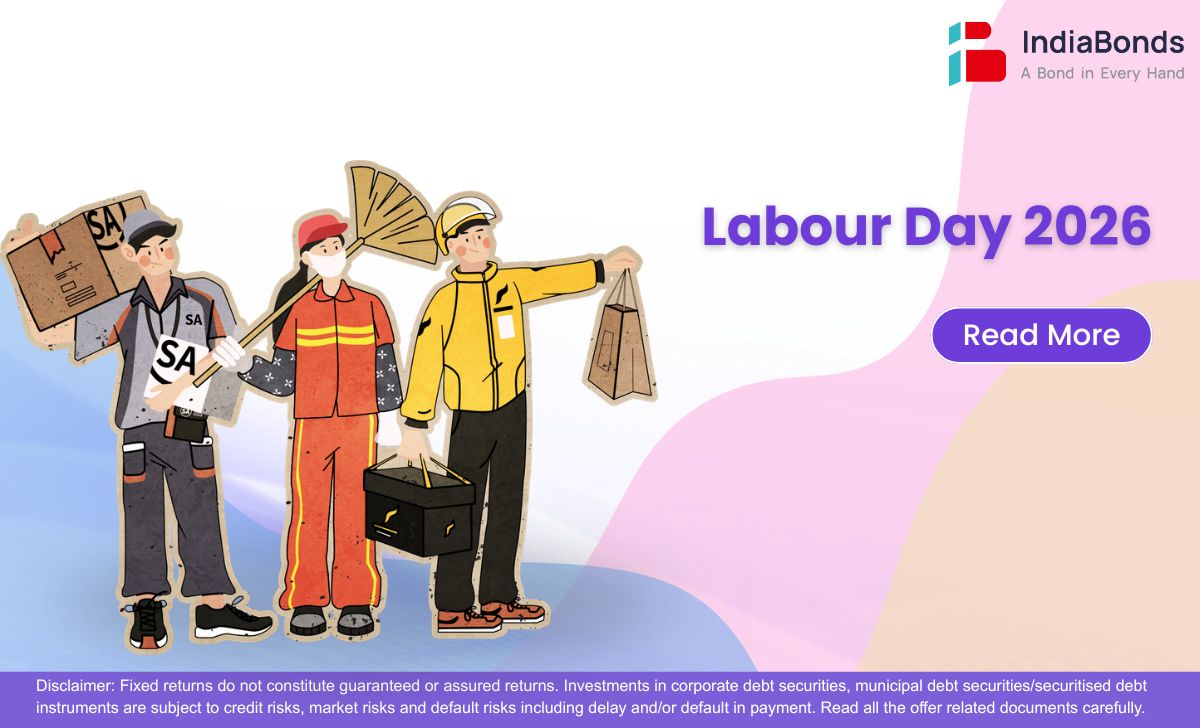
Nobody handed workers the weekend, it was taken — by exhausted, underpaid people who had very little left to lose and decided that was exactly why they had nothing left to fear.
Labour Day exists because of what those people did. It is not just a break in the calendar. It is a debt the world carries and rarely stops to acknowledge. For anyone asking when is Labour Day and what it is truly about — here is the honest answer.
What is Labour Day?
The real labour day meaning does not live in textbooks. It lives in the gap between what work once was and what it eventually became — and in the recognition that gap did not close on its own.
About labour day, what most people never really sit with is this — before unions, before any protections existed, a worker had almost no leverage. Show up or lose the job. Get hurt on the floor and manage alone. Bring the children because one wage was never enough, and no law yet said they could not work.
That was the baseline. International labour day pushed back against exactly that. The labour day meaning belongs to every ordinary person — most of them unnamed — who decided things could be different and acted on it anyway.
When is Labour Day 2026?
When is labour day 2026? Friday, 1st May 2026. Same date it has been for over a century. In India, when is labour day 2026 celebrated? On 1st May, observed as Antarrashtriya Shramik Diwas — a gazetted public holiday, a legally protected day of rest. International labour day 2026 falling on a Friday means a three-day weekend for many. Take it without guilt. Rest was one of the things the entire movement was built around. That long weekend is not convenience — it is, in a very literal historical sense, exactly what people once marched for.
Why is Labour Day Celebrated? (Significance)
To feel the significance of labour day, picture a working day stripped of everything the labour movement produced.
No fixed end time. No wage floor. No compensation for workplace injuries. No rules about dangerous conditions. Children working alongside adults because no law prevented it. This was not a hypothetical — this was simply Tuesday, in 1880, for millions of people.
The significance of labour day is that ordinary people looked at that Tuesday and called it unacceptable. Not powerful people — ordinary ones, with no political connections and no safety net other than each other. They organised, went on strike, lost wages they could not afford to lose, and refused to stay quiet.
Celebrating labour day is the world’s imperfect, sometimes forgetful attempt to say it remembers what that cost.
History of Labour Day
The labour day history that matters starts in Chicago, 1886 — but it deserves more than a passing mention.
Around 300,000 workers across the United States walked off their jobs on 1st May. Their demand was not dramatic. Eight hours of work. Eight hours of rest. Eight hours of personal time to exist as human beings. That was everything. And to those in power watching it unfold, it felt absolutely threatening.
On 4th May, at a rally in Haymarket Square, a bomb exploded. People died. Arrests followed quickly, trials followed quickly, and labour leaders were executed — men whose actual connection to the bombing was never properly established. The process was not interested in getting it right. It was interested in sending a message.
But this piece of labour day history did the opposite of what was intended. In 1889, the Second International declared 1st May as International Workers’ Day in memory of those events. A local tragedy became a global date. The people who tried to crush the movement had, without meaning to, given it a story the world could not stop telling.
India’s own labour day history is quieter but equally significant. In May 1923, in the heat of a Chennai afternoon, Comrade Singaravelar and the Labour Kisan Party of Hindustan organised the country’s first Labour Day observance. Red flags went up — the first time, many accounts say, they flew anywhere in India. Something began that afternoon that has not stopped in over a hundred years.
Labour Day Around the World
Almost every country observes world labour day. Almost every country does it differently. And yet, underneath all the different dates and formats, it is unmistakably the same day.
In most of Europe, Latin America, and Asia, world labour day on 1st May is public and deliberately political. Unions march. Banners go up. The day has never been allowed to soften into just a holiday — it remains, very intentionally, a movement.
In the United States and Canada, the labour day holiday sits in September. This was not a neutral decision. American authorities in the 1880s actively wanted to separate it from the socialist associations the international movement carried. Same workers, carefully managed politics.
But the thing about labour day around the world that never changes is who it belongs to. Not governments. Not calendars. It belongs to the person who showed up tired and did the work anyway. Everywhere on earth. That person. That is who this day is for.
How is Labour Day Celebrated?
There is no single right answer — and that honesty is part of what makes the day real.
Some workers spend the labour day holiday simply resting. Sleeping past the alarm. Sitting somewhere quiet. Letting the day belong to them without justification. That sounds ordinary. But for most of human history, the idea that a worker was entitled to exactly that was considered genuinely radical.
Others mark it through trade union marches and public gatherings. Workers carry banners through city streets. Speeches are made. The act of being together in a public space and refusing to be invisible still carries weight that does not need a political outcome to mean something.
In India, the labour day holiday brings union events, worker recognition ceremonies, and public programmes in larger cities. Elsewhere, it is quieter — a closed office, a school holiday, an afternoon that belongs to a family and nobody else. All of it counts. All of it is the point.
Conclusion
International labour day 2026 falls on 1st May. It will arrive quietly, the way it always does. Some workers will march. Some will rest. Some will spend it with people they love.
But somewhere in that Friday, it is worth one unhurried moment to remember that the life most workers are living today — with its weekends, its wage floors, its basic expectation of safety — was not waiting for them by default. It was built. Fight by fight. Demand by demand. By ordinary people who were tired, underpaid, and had every reason to stay quiet.
They chose not to. And that choice is why this day exists.
FAQs
Why is 1 May Labour Day?
1st May honours the 1886 Haymarket protests in Chicago, where workers demanded an eight-hour workday. In 1889, the Second International declared it International Workers’ Day in their memory.
What is Labour Day in India?
In India, Labour Day is observed on 1st May as Antarrashtriya Shramik Diwas. It was first celebrated in 1923 in Chennai by Comrade Singaravelar and remains a gazetted public holiday across most states.
Why do we celebrate Labour Day?
To remember that the weekend, the minimum wage, the safe workplace — none of it arrived automatically. Every right workers have today was fought for by people who had very little power and used it anyway.
When is Labour Day 2026 celebrated?
Labour Day 2026 falls on Friday, 1st May 2026, in India and most countries observing International Labour Day.
Why is Labour Day important?
Because rights are not permanent by nature. Labour Day is a reminder of how much was won — and how much still needs someone paying attention.
Is Labour Day a bank holiday in India?
Yes. Banks, government offices, and most public institutions close on 1st May across India, though observance varies slightly by state and sector.
Disclaimer : Fixed returns do not constitute guaranteed or assured returns. Investments in
corporate debt securities, municipal debt securities/securitised debt instruments are subject to
credit risks, market risks and default risks including delay and/or default in payment. Read all the
offer related documents carefully.
6.55K