Search


PNG Gas In India: Production, Pricing, Benefits vs LPG Explained
 632

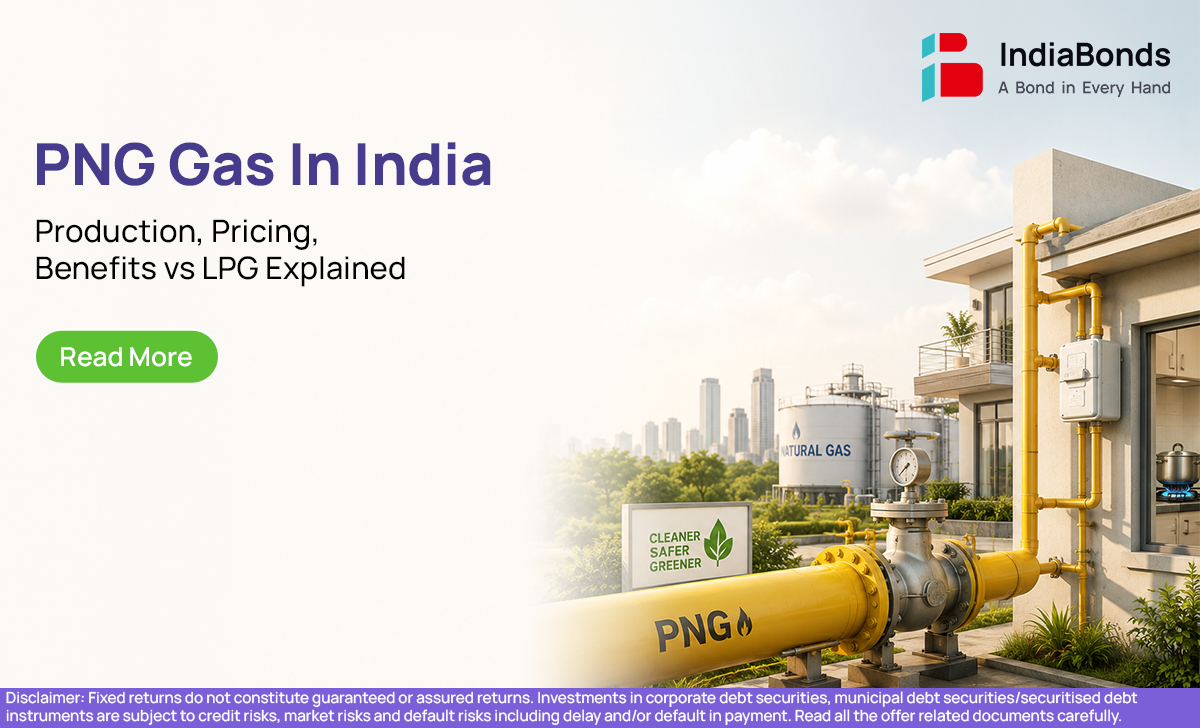
As India moves toward a cleaner energy future, the way we power our kitchens is going through a pretty big change. You might have noticed more neighborhoods switching to Piped Natural Gas (PNG). It’s not just a fancy upgrade; for many families, it’s a much simpler, safer, and cleaner way to cook than the traditional cylinder setup we’ve all been used to for years.
The State of PNG Gas Production In India
The growth of PNG Gas production in India has been exciting to see. Thanks to a mix of government support and big investments, city gas distribution networks aren’t just for the massive metros anymore—they’re popping up in Tier 1, 2, and 3 cities everywhere. The goal is to make sure PNG Gas In India reaches as many homes as possible. The industry is working hard to lay pipelines that connect gas fields directly to our kitchens, skipping all the hassle of trucking heavy cylinders around. As these networks grow, we’re seeing a much more reliable supply, which is why ramping up PNG Gas production in India is such a key part of keeping our cities running well.
The KG Basin: India’s PNG Powerhouse
A lot of this progress is powered by the Krishna-Godavari (KG) Basin—essentially the powerhouse for piped natural gas India. Think of it as a massive engine room that keeps the gas flowing to millions of homes. Here’s why it’s so important:
- Its location makes it a perfect hub for getting gas to both Eastern and Southern India.
- Energy companies are using some really smart, advanced tech to make sure we’re getting the most out of these fields.
- It helps us rely less on importing expensive liquefied natural gas (LNG).
- It provides the stable foundation that keeps the whole pipeline network working properly. When you combine this steady flow from the KG Basin with the growth in PNG Gas production in India, it really builds a much more secure energy future for all of us.
Why India Is Accelerating PNG Expansion Right Now?
So, why are so many people looking for a PNG connection India right now? Honestly, it’s a mix of wanting a cleaner environment and just wanting life to be easier. We’re all more aware of air quality these days, and using cleaner fuel is a big win for our cities. Plus, there’s the “lifestyle” benefit—who doesn’t want to skip the stress of booking a cylinder, guessing how much gas is left, or worrying about a sudden empty tank? Once you have a steady, continuous supply, those little headaches just disappear. Scaling up this infrastructure also keeps India in sync with the global market, ensuring that our supply of PNG Gas In India stays affordable and steady.
How PNG Gas Is Priced And What It Costs Households?
When it comes to the PNG gas price India, it’s a regulated system that usually tracks global trends and local costs. The best part? You pay for exactly what you use, measured in standard cubic meters (SCM). It’s a lot more transparent than the fluctuating retail costs we’re used to with LPG. As more folks get a PNG connection India, the whole network gets more efficient, which helps keep the PNG gas price India competitive for the average household.
| Feature | PNG (Piped Natural Gas) | LPG (Cylinder) |
| Supply Type | Continuous | Cylinder-based |
| Pricing | Consumption-based | Per Cylinder |
| Safety | Lower risk of leakage | Higher risk of handling |
| Convenience | High (No booking) | Low (Needs replacement) |
| Environment | Cleaner burning | Relatively higher carbon |
Conclusion
At the end of the day, moving to piped gas is a smart, natural step for how we live today. By investing in this infrastructure and focusing on PNG Gas production in India, we’re making urban life a little bit easier and a lot cleaner. As more people make the switch, it’s going to be a win-win for everyone.
FAQs
What is the difference between PNG and CNG in India?
It’s basically about how they’re used. Both are natural gas, but PNG is piped straight to your home for cooking. CNG is just the same gas, but compressed into tanks to use as fuel for your car
Which companies produce natural gas for the PNG supply in India?
It’s a massive team effort. Big names like ONGC, Reliance Industries, and GAIL do the heavy lifting of producing the gas. Then, your local City Gas Distribution (CGD) company takes over to build the pipes that run right to your front door.
How is PNG safer than LPG?
Because PNG is lighter than air, it drifts away quickly if there’s ever a leak, unlike LPG which tends to settle on the floor. Also, because it’s a closed, professional system, you don’t have to deal with the physical risks of storing and swapping those heavy gas cylinders yourself.
Disclaimer: Fixed returns do not constitute guaranteed or assured returns. Investments in corporate debt securities, municipal debt securities/securitised debt instruments are subject to credit risks, market risks and default risks including delay and/or default in payment. Read all the offer related documents carefully.
632