Search


Ashadhi Ekadashi
 41.81K
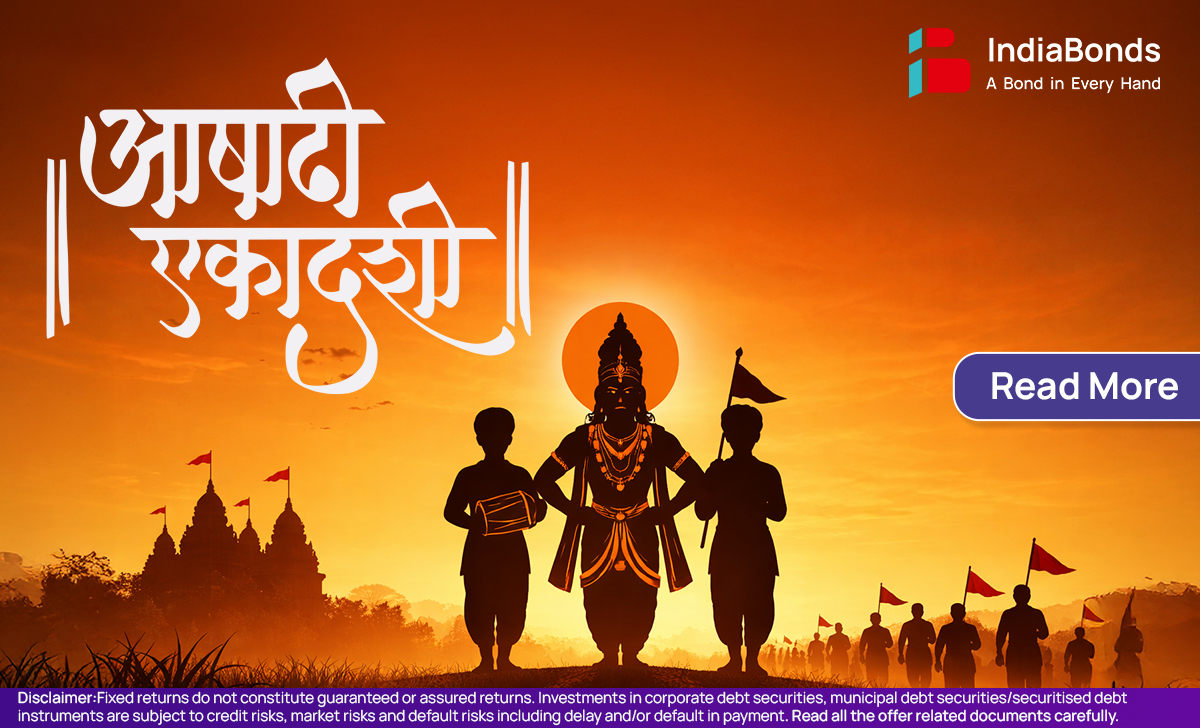
Ashadhi Ekadashi goes by many names — Devshayani Ekadashi, Toli Ekadashi, Padma Ekadashi, Devpodhi Ekadashi, Maha Ekadashi, and Hari Sayana Ekadashi. Each name carries its own story, its own layer of meaning. But at its heart, the day is about one thing: letting go. Letting go of food, yes — but more than that, letting go of the noise. The distractions. The endless churn of daily life. For one day, devotees choose stillness, prayer, and surrender to the divine.
What makes Ashadhi Ekadashi truly special is the sheer collective weight of faith behind it. Across Maharashtra, this is not a quiet, personal observance — it is a wave that sweeps through entire towns and villages at once.
Date and Timings for Ashadhi Ekadashi 2026
Ashadhi Ekadashi 2026 falls on July 25. The Ekadashi Tithi begins on July 24 at 9:13 AM and ends on July 25 at 11:34 AM, with Parana time — the window to break the fast — falling on July 26 between 5:58 AM and 8:36 AM.
For most devotees, preparation begins the evening before. The grain-free dinner the night prior is not just a formality — it is the quiet start of an inner shift. By the time morning comes on the day of the vrat, the mind is already a little cleaner, a little more ready to receive.
Historical Background of Ashadhi Ekadashi
Every great tradition has an origin story, and Ashadhi Ekadashi’s is one worth sitting with.
The Puranas tell of Emperor Mandhata, a powerful Chakravarti ruler of the Satyug era whose kingdom was devastated by a three-year drought. Crops failed. People suffered. Religious life came to a standstill. The king, unwilling to accept that his people should suffer without reason, walked into the forests seeking answers and arrived at the hermitage of Sage Angira, son of Brahma. What the sage offered him was not a military solution or a political strategy — it was a fast. The Ashadhi Ekadashi vrat, observed with complete devotion, is what brought the rains back.
That story has never really stopped being told. It moved from the scriptures into temples, from temples into homes, and from homes into the lived memory of millions of families who still observe this vrat today — not because they have been told to, but because they have seen, time and again, what sincerity and surrender can do.
Spiritual Significance of Ashadhi Ekadashi
Ashadhi Ekadashi marks the beginning of Chaturmas, the four sacred months during which Lord Vishnu is believed to enter Yoga Nidra — a state of cosmic sleep — resting on the bed of Shesha Naga in the Ocean of Milk. This slumber continues until Prabodhini Ekadashi, four months later, and coincides entirely with the monsoon season.
It is a strange and beautiful idea — that the preserver of the universe rests, and in that resting, asks his devotees to turn inward too. To slow down. To be more watchful of how they live, what they eat, and what they think. Many families mark this period with small but meaningful changes — fresh vows of simplicity, specific prayers, or a deepened puja practice dedicated to Lord Vishnu.
And then there is Pandharpur. The Pandharpur Yatra culminates on Ashadhi Ekadashi, with the Palki of Sant Tukaram from Dehu and the Palki of Sant Dnyaneshwar from Alandi — along with Palkis of numerous other saints — arriving at the Bhagavan Srihari Vitthal Temple after a 21-day journey on foot.For those who have witnessed it, the sight of hundreds of thousands of warkaris walking, singing abhangas, and calling out “Vitthal, Vitthal” is one that stays with them for a lifetime. The Ashadhi Ekadashi significance in the Bhakti tradition is not abstract — it is alive, and it walks on two feet every single year.
Benefits of Observing Ashadhi Ekadashi
The Ashadhi Ekadashi importance is often spoken of in terms of spiritual merit, and the scriptures are generous in their promises. But the real benefits, for many who observe it regularly, are quieter and more personal.
Ancient sages noted that on the eleventh day of the lunar cycle, the body’s internal rhythms make it an ideal time to rest the digestive system and turn the mind inward.The fast gives the body a genuine break — no heavy digestion, no excess. The mind, freed from the usual preoccupation with meals, finds a little more room to breathe.
Devotees who observe the fast are encouraged to chant the Dvadashakshara Mantra — Om Namo Bhagwate Vasudevaya — with a Tulasi Mala, and to donate yellow clothes, fruits, sweets, and religious scriptures to priests or temples.These acts of giving, layered on top of the fast, complete the day in a way that feels whole.
FAQ
What is special about Ashadhi Ekadashi?
Ashadhi Ekadashi marks the start of Chaturmas and the day Lord Vishnu enters his cosmic sleep. It is one of the most sacred Ekadashis of the year — and in Maharashtra, its significance is amplified further by the Pandharpur Wari pilgrimage, which draws hundreds of thousands of devotees every year.
What not to eat on Ashadhi Ekadashi?
All grains, lentils, and cereals are avoided on this day. Devotees eat fruits, milk, nuts, and certain root vegetables. The grain-free meal the night before the fast is equally important — it ensures the body is ready by the time the vrat begins at sunrise.
Which god is Ekadashi famous for?
Every Ekadashi is dedicated to Lord Vishnu. The fast, the prayers, the chanting — all of it is an offering to Narayana, the sustainer and preserver of the universe.
Which Ekadashi for conceive baby?
Putrada Ekadashi — the name itself means “one who grants a son” — is the Ekadashi specifically mentioned in the Puranas for couples seeking the blessing of a child. Observed with sincere fasting and prayers to Lord Vishnu, it is believed to carry the grace needed for couples hoping to start a family.
Fixed returns do not constitute guaranteed or assured returns. Investments in
corporate debt securities, municipal debt securities/securitised debt instruments are subject to
credit risks, market risks and default risks including delay and/or default in payment. Read all the
offer related documents carefully. The inventories offered on the platform offer interest ranging
from 5% to 12.2% fixed returns p.a.
41.81K