Search


Gandhi Jayanti 2026
 3.40K
3.40K
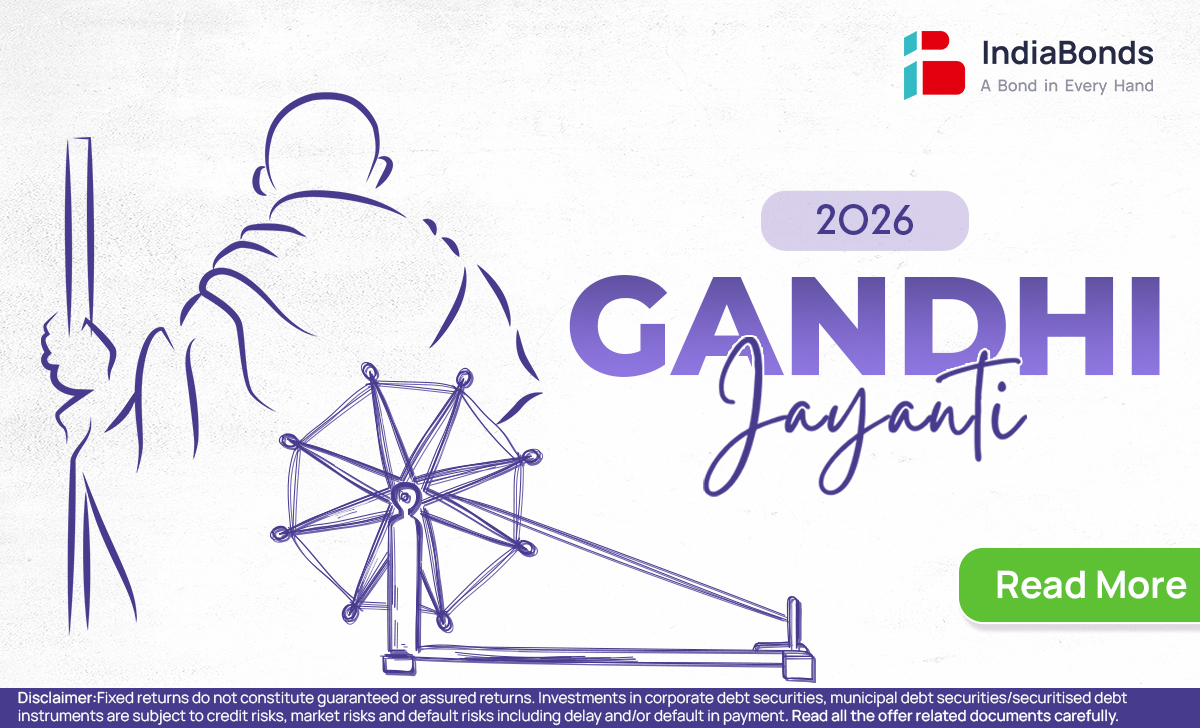
He owned almost nothing.
A walking stick. A pair of round glasses. A few metres of white cloth. That was it. No army. No fortune. No palace.
And yet, when Mahatma Gandhi walked into a room — or walked out of a prison — the world stopped and paid attention. Because he had something no amount of money could ever buy. He was completely, honestly, fearlessly himself. And that made him impossible to defeat.
Gandhi Jayanti is India’s way of saying — we remember you. We know what you gave. And we are still trying to be worthy of it.
Why is October 2 Gandhi Jayanti? Because on this day in 1869, a boy was born in Porbandar — a quiet little coastal town in Gujarat. His family was ordinary. His beginnings were simple. Nobody sitting in that house could have imagined that this child would one day walk a nation to freedom without firing a single shot.
Years later, the United Nations declared October 2 the International Day of Non-Violence. The whole world, in its own quiet way, agreed — this man mattered. What he believed in still does.
Mahatma Gandhi Jayanti 2026
Gandhi Jayanti 2026 falls on Friday, October 2. And every year this day arrives, it brings with it a question that never really gets old — are we still living by anything he stood for?
Gandhi was not trying to be a hero. He was just a man who refused to accept that wrong was right, no matter how many powerful people told him to let it go. That quiet stubbornness, born from love rather than anger, is exactly what about Gandhi Jayanti is worth sitting with. It is not just a day off. It is a reminder that ordinary people can do extraordinary things when they refuse to give up on their values.
When is Gandhi Jayanti 2026? October 2, 2026. You already know the date. The real question is what you carry from it.
Celebrations of Mahatma Gandhi Jayanti
The celebrations of Mahatma Gandhi Jayanti feel different from every other national holiday. There are no fireworks. No loud parades. Instead, the day is quiet, warm and deeply felt — exactly the kind of celebration Gandhi himself would have approved of.
It begins early at Raj Ghat in New Delhi, where Gandhi was cremated. The Prime Minister and the President arrive to lay flowers at his memorial. Marigold garlands. Incense smoke curling upward. The soft sound of Raghupati Raghav Raja Ram — his favourite bhajan — drifting through the morning air. It does not feel like a political ceremony. It genuinely feels like missing someone.
Across the country, schools hold essay competitions, drawing contests and debates. In Gujarat, his home state, villages come alive with folk music and small processions winding through narrow lanes. People sit together spinning khadi on the charkha. Gandhi turned that simple spinning wheel into an act of rebellion — he told ordinary Indians to make their own cloth, stop buying from British mills, and take back their dignity. In that quiet rhythm of spinning thread, there was freedom, long before it officially arrived.
The celebrations have spread far beyond India too. Communities in the United Kingdom, the United States and South Africa — the country where a young Gandhi was thrown off a first-class train compartment because of his skin colour and decided in that single moment of humiliation to fight injustice for the rest of his life — gather to honour his memory. He never really belonged to just one country.
Now, there is one story from his final weeks that says more about him than anything else. What happened on 13 January 1948? India had just won independence, but Partition had torn communities apart. The violence was horrific. Neighbours were killing neighbours. Gandhi was 78, frail and exhausted. Anyone would have understood if he had rested.
Instead, he stopped eating. He announced a fast unto death — he would not touch food until the killing stopped and both India and Pakistan made genuine promises to protect their minorities. His doctors panicked. His family begged him. He smiled and refused to budge.
He fasted for five days. Something shifted. Leaders made commitments. Communities stepped back from the edge. On January 18, he broke his fast. The relief was overwhelming.
Twelve days later, on January 30, 1948, he was shot dead walking to his evening prayer meeting.
But those final weeks — a frail old man willing to stake his life so that strangers might live in peace — that is the truest picture of who Gandhi really was.
FAQ
Why is October 2 Gandhi Jayanti?
October 2 is Gandhi Jayanti because Mahatma Gandhi was born on this date in 1869 in Porbandar, Gujarat. India observes it as a national holiday, and the United Nations marks it as the International Day of Non-Violence.
When was the 150th birth anniversary of Mahatma Gandhi?
The 150th birth anniversary of Mahatma Gandhi was on October 2, 2019. Countries across the world marked the year with cultural events and programmes celebrating his life and lasting impact.
What happened on 13 January 1948?
On January 13, 1948, Gandhi began a fast unto death in Delhi to stop the communal violence following Partition. He fasted for five days until leaders on both sides gave firm promises to protect minorities and restore peace.
What is the special day of October 2?
October 2 is Gandhi Jayanti in India and the International Day of Non-Violence globally — both honouring Gandhi’s lifelong belief that peace, however hard, is always the right choice.
Fixed returns do not constitute guaranteed or assured returns. Investments in
corporate debt securities, municipal debt securities/securitised debt instruments are subject to
credit risks, market risks and default risks including delay and/or default in payment. Read all the
offer related documents carefully. The inventories offered on the platform offer interest ranging
from 5% to 12.2% fixed returns p.a.
3.40K