Search


Holi in 2026
 47.45K
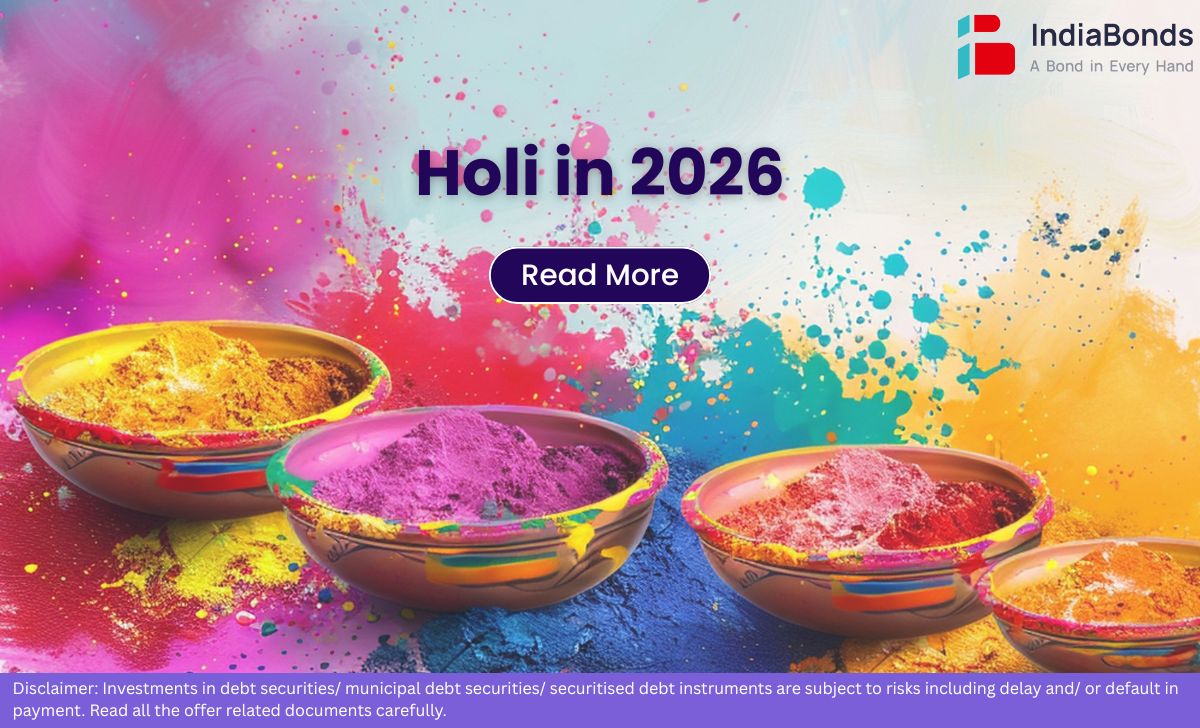
Holi rarely begins with colour. It begins with a plan. Someone in the family asks, when is Holi—and suddenly there’s a chain reaction. Leave gets discussed, train tickets get checked, a cousin is asked whether they’re coming home, and someone inevitably says, “This year, let’s do it properly.” That’s the quiet truth about the Holi festival: it may look carefree from outside, but people genuinely plan around it because it’s not one event. It’s two moments—one reflective evening, and one playful morning. This blog covers the Holi 2026 date, traditions, food, and how holi in 2026 will look across India.
Holi 2026 Date & Timing
For 2026, the answer to when is Holi in 2026 is simple and practical:
- Holika Dahan (Chhoti Holi): Tuesday, 3 March 2026 (evening/night)
- Rangwali Holi / Dhuleti (Color Day): Wednesday, 4 March 2026
That’s the cleanest way to remember the Holi 2026 date—bonfire on the 3rd, colours on the 4th.
People search when is Holi every year because Holi doesn’t follow a fixed date on the regular calendar. It shifts with the lunar calendar (Phalguna Purnima). That’s also why so many people type holi in this year rather than guessing. In real life, what they want is clarity: Which evening is Holika Dahan? Which morning is the big colour day? For holi in 2026, it’s settled—3 March for the bonfire, 4 March for the colour celebration.
What is Holi?
The Holi festival is famously called the Holi festival of colors, and that part is true—Holi is bright, messy, and absolutely unapologetic. But what makes Holi special isn’t just the colour. It’s the way the day changes people.
In the morning, lanes feel louder than usual. Someone’s speaker is already playing music. Children roam with water balloons like they’ve been training for this day. Adults start with “I won’t play,” then smile the moment a little gulal touches their cheek. Even people who don’t step out much end up watching from balconies, amused, and somehow part of the celebration.
For anyone searching about Holi, the simplest explanation is this: Holi celebrates spring and renewal. It’s a festival that nudges people to be lighter—to laugh more easily, meet more openly, and let old stiffness melt away for a day.
Why is Holi Celebrated?
After when is Holi, the next question is usually “why.” Traditionally, Holika Dahan is linked to the story of Prahlad and Holika—where goodness survives, and arrogance is symbolically burned away. That’s why the bonfire matters. It isn’t just a ritual fire; it’s a reminder people understand instantly: what is harmful doesn’t last forever.
Holi also makes emotional sense because of the season. Spring arrives with softer weather and a lift in mood. The Holi festival fits that shift perfectly, like nature itself is encouraging people to step out, reconnect, and begin again.
Holi Foods
If Holi is the celebration outside, Holi foods are what bring everyone back inside—and keep them there. After the colours, the running around, and the laughing, people don’t just want “something to eat.” They want festival food—warm, familiar, and comforting.
In many North Indian homes, gujiya, malpua, dahi bhalla, kachori, and thandai arrive like clockwork. And when people search holi special sweets, gujiya usually tops the list because it tastes like Holi nostalgia—crispy, sweet, and made to be shared. In other regions, the menu changes, but the feeling stays the same: Holi should taste like a celebration, not like a regular weekday.
How Holi is Celebrated in Different States of India
Even if everyone agrees on when is Holi, the festival looks very different across India. Holi in 2026 will still feel like many Holis, each shaped by local culture and traditions.
- Uttar Pradesh (Mathura–Vrindavan/Braj): In Braj, Holi doesn’t feel like one day—it feels like a season. Temples, folk songs, and local traditions build the mood early, and the celebration carries a devotional energy alongside the playfulness.
- Rajasthan: Holi often feels grand and open. Community bonfires, folk music, and public celebrations create a “big festival” vibe where people join in naturally.
- Punjab: The spirit is lively and community-led. People meet, eat, laugh, and the celebration feels rooted in togetherness and warmth.
- Maharashtra: In several places, celebrations extend beyond the main day, and Rang Panchami becomes another colourful highlight.
- West Bengal/Odisha: Dol Jatra and Basanta Utsav bring a musical, cultural rhythm—still colourful, but expressed through songs, performances, and a gentler pace.
So yes, the Holi 2026 date stays the same, but the “style” of Holi changes with geography.
Holi Wishes & Quotes
Holi wishes matter because not everyone is in the same city every year. Some people celebrate far from home, and a message becomes a small way of showing up. That’s why people search holi special wishes that feel warm and human, not forwarded.
- “Wishing a happy Holi—safe, bright, and full of good moments.”
- “Happy Holi! May the colours fade, but the joy stays.”
- “Wishing a joyful Holi festival—with good food and better company.”
- “May this Holi bring fresh energy and lighter days ahead.”
- “Happy Holi—hope the day feels simple, fun, and truly festive.”
Dress Code for Holi
Holi outfits are chosen with one honest thought: “Will this survive today?” Comfortable, breathable clothes usually work best. White looks great in photos, but it also holds stains like permanent memories. Darker shades can be a safer choice for anyone who doesn’t want the next day to be a laundry marathon.
A few small add-ons help a lot—sunglasses to protect eyes, a scarf or cap to manage hair, and closed footwear because wet streets can get slippery. Many people also treat these as holi decoration—bandanas, caps, quirky glasses—festive, but practical.
How is Holi Celebrated?
Even after knowing when is Holi in 2026, many people still ask how the festival unfolds in real life. Holi usually follows a rhythm that makes sense once it’s experienced:
- Holika Dahan (Chhoti Holi): On the evening of 3 March, communities gather near the bonfire. Rituals are performed, prayers are offered, and the fire is lit. The mood tends to be calmer and more meaningful—like a pause before the celebration begins.
- Rangwali Holi (Color Day): On 4 March, the tone changes completely. This is the main Holi festival of colors—gulal, water, music, laughter, and friendly chaos. The morning is usually the peak: loud, playful, and full of energy.
- Meeting people: Friends and relatives drop in, neighbours stop by, and many “just five minutes” visits turn into long conversations.
- Food + rest: By afternoon, Holi naturally slows into lunch, holi special sweets, and a tired-but-happy kind of calm.
This is why when is Holi is often a two-day answer—not one.
Significance of Holi
The Holi festival stays special because it makes joy collective. It’s not quiet happiness. It’s shared and visible. People loosen up. Streets feel warmer. The day gives permission to laugh without overthinking, to meet people without formality, and to let small grudges feel smaller.
In everyday terms, Holi represents:
- A reset: Spring arrives, and Holi feels like a reset button for mood and mindset.
- Togetherness: The Holi festival creates an easy reason to meet—no heavy agenda, no formal invitation required.
- Letting go: The bonfire and colours carry the same message: burn what’s bitter, keep what’s good.
- Belonging: Not everyone plays with colour, but almost everyone participates—offering sweets, greeting neighbours, watching from balconies, helping at home.
- Memory-making: The mess, the laughter, the Holi foods, the rituals—these become stories families repeat for years.
This emotional pull is exactly why people keep searching when is Holi. Missing Holi doesn’t just feel like missing a festival—it can feel like missing a shared moment.
Conclusion
So, when is Holi in 2026? Holika Dahan is on Tuesday, 3 March 2026, and the main Holi 2026 date (Rangwali Holi) is Wednesday, 4 March 2026. Holi in 2026 will look different across states, but the heart remains the same—spring, togetherness, and a joyful pause from routine. With safe colours, warm company, and the right holi special sweets, the Holi festival becomes a memory worth keeping.
FAQ
Q1. When is Holi in 2026?
The main Holi 2026 date in India is Wednesday, 4 March 2026. Holika Dahan is on Tuesday, 3 March 2026 (evening/night). That’s the direct answer to when is Holi in 2026.
Q2. Why do we celebrate Holi?
The Holi festival is linked to Holika Dahan, which symbolically represents the victory of good over evil. It also celebrates spring, renewal, and community bonding.
Q3. How is Holi celebrated?
Most places observe Holika Dahan first with a bonfire and rituals, followed by the next day’s colour celebrations with gulal, music, visits, and festive meals.
Q4. Is Holi a public holiday in India?
Holi is widely observed as a holi holiday, but official holiday lists can vary by state, schools, and employer policies.
Q5. What are the main colors used in Holi?
The main colors used in Holi are red, pink, yellow, green, blue, purple/violet, and orange. In many celebrations, people also use magenta and saffron shades, depending on the type of gulal available.
Disclaimer : Investments in debt securities/ municipal debt securities/ securitised debt instruments are subject to risks including delay and/ or default in payment. Read all the offer related documents carefully.
47.45K