Search


Karwa Chauth 2026
 961

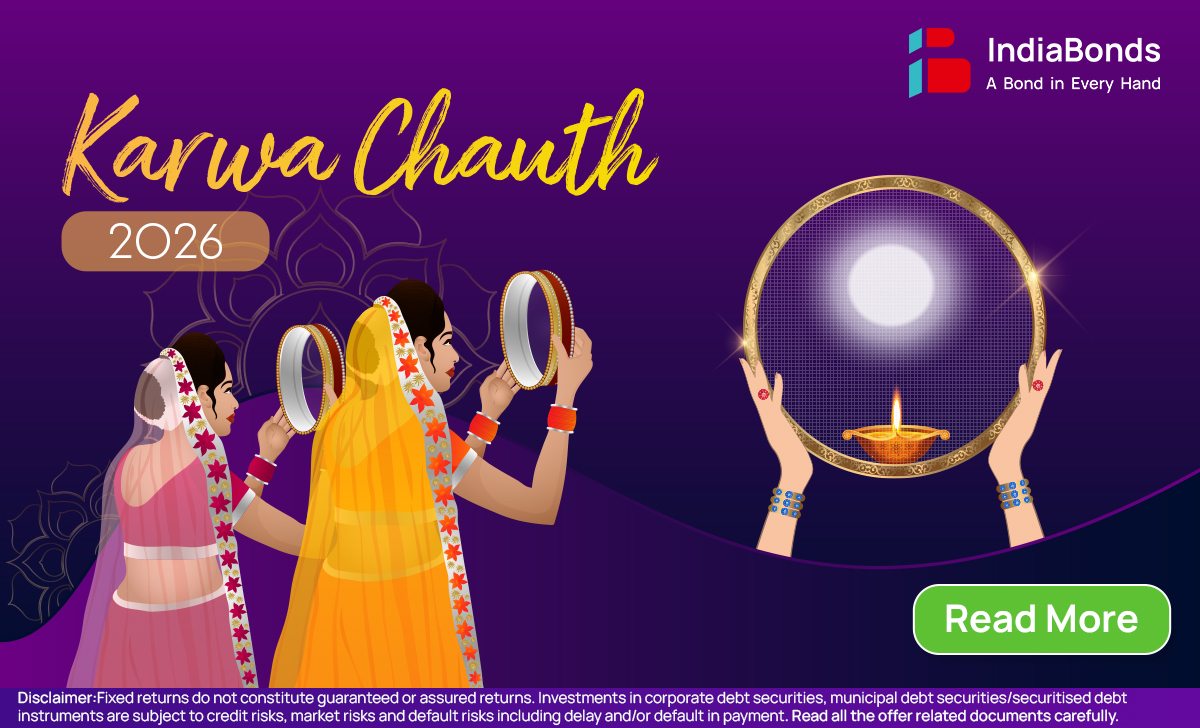
Every year, something shifts in the air as Karwa Chauth gets closer. The mehendi stalls fill up, and markets suddenly buzz with women picking out the deepest reds and brightest golds. Mothers call their daughters, mothers-in-law share long-held family recipes for sargi, and somewhere beneath all that quiet preparation lies an emotion that’s hard to put into words—part love, part faith, and part an old tradition carried forward simply because it feels right.
Karwa Chauth will arrive on Thursday, 29 October 2026, bringing its familiar warmth and anticipation right on time. For the women who observe it, the day isn’t really about the hunger or the restrictions. It’s about what the choice represents, made freely and lovingly year after year.every single year.
When is Karwa Chauth 2026?
Karwa Chauth falls on Thursday, 29 October 2026 (Kartik Krishna Chaturthi). Here is a quick look at the fasting window and moonrise timings across major cities:
Origin of Karwa Chauth Celebration
| City / Detail | Timing (2026) |
| Date | Thursday, 29 October 2026 |
| Fasting Window | Sunrise to Moonrise (approx. dawn to evening) |
| Delhi | 8:12 PM – 8:33 PM |
| Mumbai | 8:51 PM |
| Bengaluru | 8:46 PM |
| Pune | 8:48 PM |
| Jaipur | 8:22 PM |
| Chandigarh | 8:14 PM |
The Roots of Karwa Chauth
Nobody sat down in a board room one day and invented Karwa Chauth. It grew organically out of the lives of women in Punjab and Rajasthan who needed a way to anchor their hope when their partners left on long, uncertain journeys or went off to battle.
The earthen pot—the karwa—filled with water and grain wasn’t just a ritual prop. It was practical, it was personal, and it was a quiet way of saying: I am doing everything I can from here.
The stories we tell around the fire carry that same heavy weight. Queen Veeravati’s tale is a lesson in patience and mindfulness, while the story of Savitri and Satyavan speaks of a love so fierce it literally followed someone to the edge of the other side. These aren’t just sweet bedtime stories; they’re about a profound, unyielding kind of love.
Over time, the celebration naturally spilled past regional borders. Women in cities far from Punjab picked it up, families living abroad taught it to their daughters, and the earthen pot—along with the feeling behind it—traveled everywhere.
Why Do We Celebrate Karwa Chauth
Ask ten women why they keep the fast, and you’ll likely get ten different answers.
Some do it simply because their mothers and grandmothers did. Others look forward to the evening gathering—getting dressed up, laughing with friends, and passing the karwa around—as one of the few genuinely joyful breaks in a busy year. And many do it simply because real love makes you want to do something tangible for the person you care about. Something that asks a little bit of you, and means a lot.
Let’s be honest: the nirjala fast (not a single drop of water all day) is tough. Nobody pretends otherwise. But it does something strange to the rhythm of the day. The world slows down. The noise fades. By the time evening arrives, there’s a deep, quiet focus that’s hard to find anywhere else.
And then, the moon finally shows up. Looking at it through the sieve, and then looking over at him—that moment is usually much quieter than people expect. There’s no grand drama. It’s just two people taking a breath together after a long day. And somehow, that’s everything.
It’s also wonderful to see more husbands joining in lately—skipping lunch, helping out in the morning, and waiting for the moon right alongside their partners. After all, it always was a celebration meant for two.
FAQ
What is Karwa Chauth celebrated for?
It’s a traditional day where married Hindu women fast from sunrise until moonrise, wishing for the health, happiness, and long life of their partners. The fast officially breaks when the moon is sighted and the husband offers water and sweets.
Can unmarried girls keep Karwa Chauth?
Yes, many do! In some families, unmarried women observe the fast for their future partner or simply as an expression of personal faith and hope. The tradition has always had plenty of room for sincerity above strict rules.
What does the husband do on Karwa Chauth?
Mostly, he shows up—and that means a lot. During the evening ritual, he offers water and sweets to his wife after she looks at the moon and then at him through a sieve. More and more husbands are now choosing to fast through the day too, sharing the experience from start to finish.
When to fill karwa with water?
The karwa is prepared right before the evening puja—filled with fresh water, and often bits of rice, sweets, or coins depending on family custom. It gets passed around among the gathered women, and that same water is later used by the husband to help his wife break her fast. Preparing it together is often a quiet, special ritual in itself.
Fixed returns do not constitute guaranteed or assured returns. Investments in
corporate debt securities, municipal debt securities/securitised debt instruments are subject to
credit risks, market risks and default risks including delay and/or default in payment. Read all the
offer related documents carefully. The inventories offered on the platform offer interest ranging
from 5% to 12.2% fixed returns p.a.
961