Search


Parsi New Year 2026 in India
 5.71K
5.71K
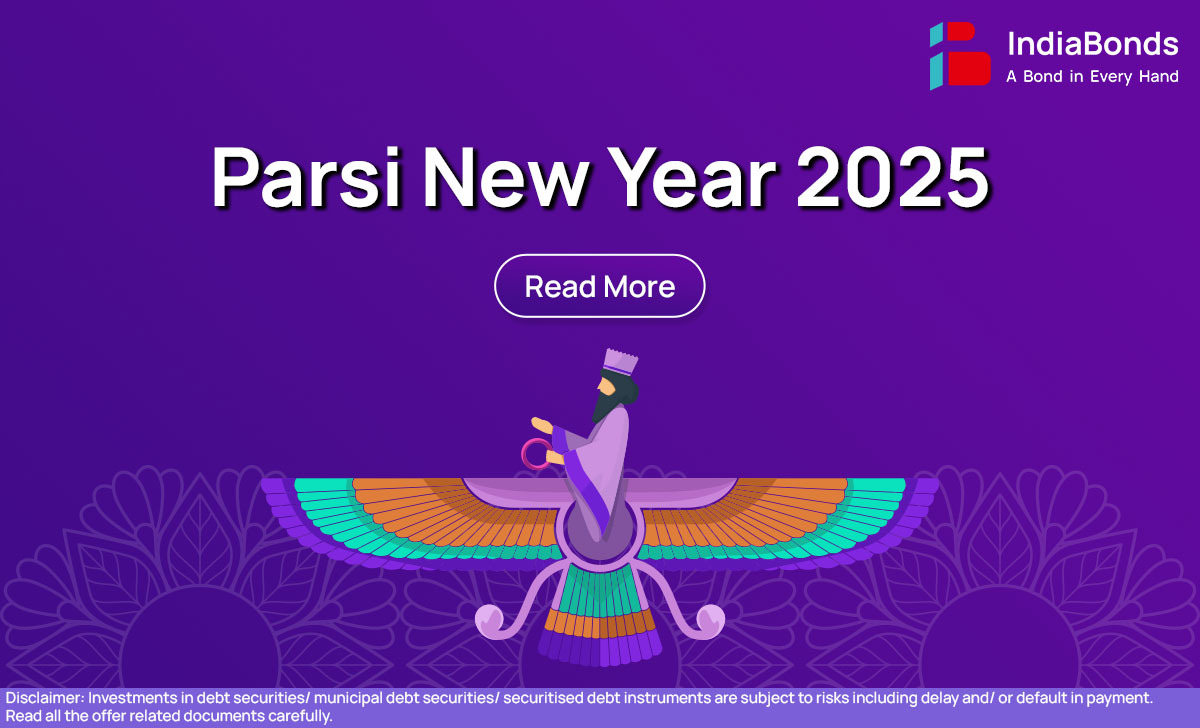
There is a woman in a Parsi neighbourhood in Mumbai who has been making the same green chutney every August for forty-three years. Same recipe. Same bowl. Same unhurried morning. Her grandchildren do not fully understand yet why she starts before sunrise, why she insists on fresh coconut even when the market is far, why she hums while she works as though the humming is also part of the recipe. They will understand eventually. They will understand the way everyone eventually understands the things that matter — slowly, then all at once, usually when someone is no longer there to explain it anymore. That chutney, that humming, that forty-three year old August ritual — that is Navroz. That is the Parsi New Year. Not the definition of it. The actual living, breathing, smells-like-something-extraordinary heart of it. As Parsi New Year 2026 approaches, this is the story that deserves telling — not the official one, but the real one. The one that has been happening in kitchens and fire temples and family dining rooms, quietly and faithfully, for thousands of years.
What is Parsi New Year?
Navroz is the New Year of India’s Parsi community — the Zoroastrians, keepers of one of the oldest living faiths on earth. But it did not begin as theology. It began as instinct. Thousands of years ago in ancient Persia, the spring equinox arrived — that specific, breathtaking moment when the earth stops its long pull away from the sun and begins, tentatively at first and then with increasing conviction, to turn back toward warmth. Someone felt that shift. Felt the darkness losing its grip. Felt the world exhaling after a long, held breath. And their response — the only response that felt adequate — was to gather everyone they loved and celebrate. To cook. To pray. To say out loud what everybody already felt: we are still here, the light came back, and that is worth everything. Parsis in India observe Navroz in August, guided by the Shahenshahi calendar. The date has moved. The continent has changed. That original instinct — the one that said gather, cook, celebrate, remember — has not moved an inch.
Description of Parsi New Year
Navroz does not begin the morning of Navroz. Anyone who has ever been inside a Parsi household in the days leading up to it will tell you that. It begins when the energy in the house changes — when there is a particular quality of intention in the air, a sense of something important approaching that everyone can feel but nobody quite articulates. The cleaning that happens before Navroz is not housekeeping. It is something closer to a ritual — every surface reached, every window opened, every old thing that has been sitting in a corner quietly released. The house comes out of it feeling different. Younger, somehow. By the morning itself, the flowers at the entrance are fresh because someone chose them fresh, standing in the market yesterday with actual thought. The rangoli at the doorstep carries the confidence of hands that have done this before and know it by heart. The family dresses in clothes that hold their own histories — the silk that came out last August, the jewellery that belonged to someone’s grandmother, worn now as the most natural thing in the world. The Agiary first. Always the Agiary first. Then home, where the afternoon waits — unhurried, full, and longer than any afternoon has a right to be.
History of Parsi New Year
The history of Navroz is the history of people who decided, under conditions that would have broken most communities, that who they were was simply not negotiable. In ancient Persia, Zoroastrians celebrated the spring equinox every year and called it Navroz — new day — with the full-throated conviction of people who genuinely believed the world was worth celebrating. Then persecution came. The worst kind — the kind that does not negotiate, that does not leave room for compromise, that says simply: this or everything else. They chose this. They left their homeland, crossed the sea, arrived on the western coast of India as strangers who had been through something enormous and were trying not to show it. They were welcomed. They stayed. They built — businesses and schools and hospitals and a presence in Indian life so significant that it is almost impossible to imagine the country’s modern history without them. And every single August, through all of it, Navroz. Not as nostalgia. Not as performance. As necessity. As the annual proof that no matter what the world took, it could not take this.
Celebrations of Parsi New Year
The morning begins at the Agiary, before most of the city is awake. Families walk in dressed in their best, carrying something invisible but heavy — a year’s worth of living, a year’s worth of gratitude, a year’s worth of hope that has been waiting for the right moment to be placed somewhere safe. The fire in the temple is steady and ancient and completely unbothered by the passage of time, which is exactly what everyone in that room needs it to be. The prayers are slow. Real. The kind that come from a place in you that the rest of the week does not usually have access to. Nobody is thinking about what comes after. Then everything changes. Home. The haft-shin table is already there, arranged the night before by someone who spent real time on it, adjusting things, reconsidering, getting it right. Patra ni Macchi arrives wrapped still in its banana leaves, and when those leaves are pulled back the fragrance that is released does something to the room that cannot be engineered or replicated — it simply happens, every time, to everyone present, like a key turning in a lock. Sali Boti follows, slow-cooked since morning into something extraordinary, finished with crispy potato straws that make every bite feel considered. Lagan nu Custard last — golden at the edges, silky through the centre, the taste of a day that earned its ending. Someone tells the same story they told last Navroz. Everyone laughs harder than last time. A child who was too young to understand last year sits quietly this year and listens with enormous eyes. Nobody leaves when they said they would. Nobody, not once, minds.
Significance of Parsi New Year
The significance of Navroz does not live in any single part of it. It lives in the accumulation — in the forty-three years of the same chutney, in the grandmother’s jewellery worn by a granddaughter who never met her, in the prayer said this morning in Mumbai that was said in Persia thousands of years ago and somehow arrived here intact. The Parsi community is small in number. It is impossible to overstate how large it is in everything else — in contribution, in character, in the depth of identity it has maintained across circumstances that would have erased most communities entirely. Navroz is the annual moment when all of that comes into the same room. Good thoughts in the prayers. Good words in the greeting at the door. Good deeds in the food given generously, in the space made for whoever arrives, in the old argument finally set down because life is genuinely short and a new year is genuinely sacred. It is the day the Parsi community looks at everything it has carried across oceans and centuries and says — quietly, without drama, with the deep calm of people who have always known this — worth it. All of it. Every single bit of it, worth it.
FAQs
Q1. When is Parsi New Year 2026 in India?
Parsi New Year 2026 falls on 16th August 2026 — one sunrise after Independence Day, which is the kind of timing that feels less like coincidence and more like the calendar finally understanding something. Two celebrations of survival, sitting side by side. Two communities — one a country, one a people — both marked by the knowledge of what it costs to still be here. The date follows the Shahenshahi calendar, maintained by the Parsi community with the same unhurried faithfulness they bring to everything they have decided will not be lost.
Q2. What do Parsis typically eat on this New Year’s Day?
The food on Navroz is the kind that should be talked about slowly, because it was made that way. Patra ni Macchi — fish inside banana leaves with a green chutney of fresh coconut, coriander and mint — steamed until the whole thing becomes something that smells like the occasion itself. When those leaves come open at the table, the room changes. Sali Boti follows — slow-cooked since the early hours, finished with golden crispy potato straws that make every single bite feel like two completely different and equally wonderful things happening at once. Lagan nu Custard last — caramel-edged, silky, the exact right amount of sweet. Each dish carries memory in it. Each one has been made before, many times, by hands that loved the people it was made for.
Q3. What’s ‘Navroz’? Is it the same as Parsi New Year?
Same occasion. Two names with completely different things living inside them. Parsi New Year is the name most of India reaches for — clear, warm, immediately understood. Navroz is the name the occasion was given at its birth, in ancient Persia, meaning new day in Persian, and it carries inside it everything the other name does not have room for — the equinox, the exile, the sea, the arrival, the centuries of someone making sure this thing survived. One is the name you use. The other is the name that remembers.
Q4. How do Parsis greet each other on this big day?
“Saal Mubarak!” — and if you have ever heard it said properly, at a real doorstep, between two real people on a real Navroz morning, you already know that Happy New Year is both the correct translation and somehow completely insufficient. Because what those two words carry on this particular day in this particular community is not just a wish for the year ahead. It is relief. It is the warmth of people who have been through things together and are glad — genuinely, specifically, personally glad — to be standing here again.
Q5. Can non-Parsis, like, join in the Parsi New Year fun?
They can — and the invitation, if it ever comes, should be accepted immediately and gratefully, because a Parsi household on Navroz is one of the great experiences a person can have. The Agiary is reserved for the faith and that deserves full respect. Everything beyond it is extraordinary in its warmth. Parsi hosts are the kind who will not hear of you leaving without eating more, who find you a place before you have been offered one, who send you home carrying food you did not ask for and a feeling you were not expecting. For those without a personal invitation, many restaurants across India curate Parsi menus during this period. Go. Eat the Patra ni Macchi. Let it change your August.
Q6. What’s that ‘haft-seen’ table thing all about on Parsi New Year?
The haft-shin table does something to you the first time you really see it — really see it, not just glance at it. It stops you. Because what you are actually looking at is not a table. You are looking at hope made physical. Each object begins with the letter ‘shin’. Each carries a specific wish — semolina for abundance and sweetness, fish for life and good fortune, other elements for purity and joy and the particular, private things this family is carrying into the year ahead. What stays with you is not the objects themselves but the fact that someone arranged them with such care, probably late the night before, probably alone in a quiet house, turning each small hope into something solid and real and visible. In a world that almost never slows down long enough to name what it actually wants, that is not a small thing. That is, in its quiet and completely human way, one of the most honest things a person can do.
Disclaimer : Fixed returns do not constitute guaranteed or assured returns. Investments in
corporate debt securities, municipal debt securities/securitised debt instruments are subject to
credit risks, market risks and default risks including delay and/or default in payment. Read all the
offer related documents carefully. The inventories offered on the platform offer interest ranging
from 5% to 12.2% fixed returns p.a.
5.71K