Search


Portfolio Management Insights and Strategies
 2.71K
2.71K
Introduction
‘Don’t put all your eggs in one basket’ – this is the saying that almost every investment literature declares for investors. Nobody wants to lose their investment capital but make returns on it. Thus, investors usually invest in multiple asset classes. Further, in every asset class, the investor can also invest in different schemes and stocks. This is known as a portfolio of investments for investors. However, while investors can create their own portfolios, it involves a lot of research on their part when it comes to the selection of asset classes, schemes, stocks etc. Not every investor can afford the same!
What’s the alternative then? It’s simple! You can outsource the management of your portfolio to a professional portfolio manager. This is known as portfolio management services. This can be done as a multi-asset or a single asset like Debt Portfolio Management Service (Debt PMS). Let’s understand portfolio management and how does it work!
What is a Portfolio?
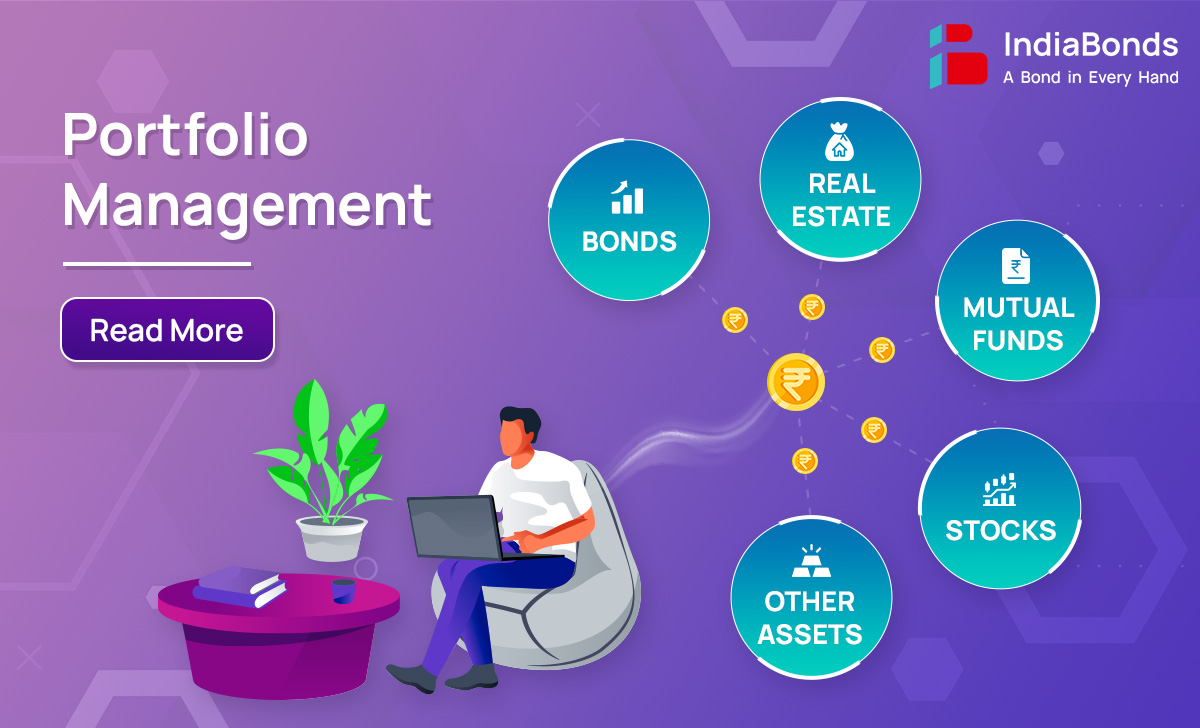
A portfolio is a basket of different asset classes or different financial securities of a single asset class, owned by an investor. Whenever, an investor invests in different asset classes like stocks, bonds, mutual funds, gold, real estate etc., it forms a portfolio of investments.
Portfolio Management – Definition
Simply put, portfolio management is managing an individual’s investments in order to generate maximum returns to facilitate the achievement of investment objectives. Portfolio management can either be done by the investor himself or through a professional portfolio manager. It involves understanding the investor’s financial goals and preferences, creating an investment portfolio that suits the investor’s risk appetite and managing the portfolio. It is not a one-time process but a continuous one whereby the portfolio needs to be modified considering the performance of assets, achievement of investment goals and most importantly, market situations.




Objectives of Portfolio Management
The main objective of portfolio management is to help investors earn optimum returns while minimising risk based on their risk appetite, investment horizon, and financial goals. A well-structured portfolio ensures proper diversification, enabling investors to spread risk across various asset classes such as equities, bonds, mutual funds, and more.
Portfolio management aims to strike the right balance between safety, liquidity, and profitability. It ensures that capital is allocated in a manner that matches the investor’s financial aspirations, be it wealth creation, retirement planning, or income generation. Additionally, it involves regular monitoring and rebalancing to adapt to changing market conditions, interest rates, or life goals.
Ultimately, portfolio management is about making informed decisions that align investments with long-term objectives — keeping both returns and peace of mind intact.
Benefits of Portfolio Management
1. Better Risk Management
One of the biggest benefits of portfolio management is better risk control. Instead of concentrating money in one asset class, sector, or product, portfolio management spreads exposure across different investments. This diversification can help reduce the impact of volatility in any one part of the portfolio.
Risk management also involves reviewing credit quality, duration, sector concentration, liquidity, and valuation. A well-managed portfolio is designed not only to seek returns, but also to avoid unnecessary risk.
2. Goal-Based Investing
Investors usually do not invest without a purpose. They invest for milestones. Portfolio management helps connect investments to those milestones by matching the portfolio with the investor’s goals, investment horizon, and cash flow needs.
For example, a short-term goal may require a more conservative allocation, while a long-term goal may allow for a higher exposure to growth-oriented assets. This goal-based approach makes investing more meaningful and more practical.
3. Professional Expertise
Markets move quickly, and keeping track of economic trends, interest rates, company performance, valuations, and asset allocation can be difficult for an individual investor. Portfolio management brings professional oversight into the investment process.
This expertise can be useful when evaluating opportunities, identifying risks early, and taking decisions based on research rather than noise. It also helps investors understand whether their portfolio is actually aligned with the strategy they believe they are following.
4. Emotional Discipline
Many investment mistakes happen not because of lack of opportunity, but because of emotional decision-making. Investors may panic during corrections, chase momentum during rallies, or keep delaying important allocation changes.
Portfolio management introduces discipline. It encourages decisions based on asset allocation, suitability, and long-term objectives instead of short-term headlines. This can help investors stay consistent even when markets test their patience.
5. Tax Efficiency
Another important benefit of portfolio management is tax efficiency. Efficient portfolio construction can help investors think more carefully about holding periods, profit booking, asset mix, and post-tax returns rather than only headline returns.
In practice, tax efficiency matters because the return an investor keeps is often more important than the return shown before taxes. A portfolio that is reviewed regularly can be better positioned from a post-tax perspective.
Need for Portfolio Management
Portfolio management is important for any investor who has invested in multiple asset classes. While you saw the portfolio management meaning, here are some reasons why an investor needs portfolio management:
Maximising Return on Investment:
This is one of the foremost reasons to go for portfolio management. The aim of investing is to earn lucrative returns on investment such that you can achieve your investment and financial goals. It can only be done if your portfolio is managed properly.
Proper Diversification of Risk:
The aim of creating a portfolio involving multiple asset classes is to properly diversify your risk. Investing in different asset classes ensures that if one asset class poorly performs, the other asset classes compensate for the shortfall of returns. Thus, you are relieved that all assets in your portfolio do not necessarily go down at the same time.
Tracking Portfolio Performance:
It is necessary to periodically track the performance of the portfolio. It shows whether the investor is moving in the right direction. If not, then the reasons for the same need to be identified and the investment strategy or the portfolio needs to be altered accordingly.
Periodical Adjustment of Assets:
It is necessary to adjust the portfolio based on various factors. One of the factors that we saw above was that the portfolio wasn’t able to perform as per investors’ expectations. Other reasons can include market factors, government policies, changes in investors’ preferences etc. This is done to ensure that the ultimate investment objective of the investor is achieved.
Types of Portfolio Management
Following are the different types of portfolio management:
Active Portfolio Management:
Here, the portfolio is managed actively such that the portfolio manager ensures maximum returns on the investments. There are constant changes in the portfolio including buying and selling of securities, changes in asset classes etc.
Passive Portfolio Management:
Here, the portfolio is managed as per a set benchmark and the portfolio manager is not required to actively make decisions regarding investments. For instance, in the case of a portfolio tracking index funds does not require the manager to actively make investment decisions.
Discretionary Portfolio Management:
Here, the portfolio is managed as per the discretion of the investors. The manager chooses the investment strategy based on the investor’s goals and risk appetite.
Non-Discretionary Portfolio Management:
Here, the portfolio manager advises the investors on different choices and strategies to invest in. Then, it is upon the investor whether to accept or reject the recommendations provided by the portfolio manager.
Common Portfolio Management Strategies
When it comes to developing effective portfolio management strategies, investors have multiple approaches:
- Asset Allocation Strategy: Balancing different asset classes like bonds, stocks, and cash.
- Diversification Strategy: Spreading investments across various sectors to minimize risk.
- Growth vs. Value Investing: Choosing between stocks expected to grow or those that are undervalued.
- Risk Management Techniques: Adjusting portfolios according to risk tolerance and market conditions.
Combining these portfolio management insights allows investors to optimize returns while minimizing risks, forming a crucial part of a sound strategy and portfolio management plan.
Ways of Portfolio Management
There are broadly four ways in which portfolio management can be approached: active, passive, discretionary, and non-discretionary.
In active portfolio management, a fund manager makes strategic buy-and-sell decisions to outperform a benchmark index. Passive management, on the other hand, involves building a portfolio that mimics a market index, aiming for steady, long-term returns.
In discretionary portfolio management, an expert takes full control of the investment decisions based on the investor’s objectives, while in non-discretionary management, the advisor provides recommendations, but the final call rests with the investor.
Each method has its own set of advantages, and the choice largely depends on how hands-on or hands-off an investor wants to be, and the level of expertise and time they can dedicate.
Processes of Portfolio Management
The process of portfolio management involves a series of strategic steps that help investors optimize their investments to meet specific financial goals. Here’s a detailed breakdown of the typical steps involved:
1. Defining Investment Objectives:
This initial step involves identifying the investor’s financial goals, risk tolerance and investment horizon. Objectives might include retirement planning, education funding, or wealth accumulation for significant future expenditures.
2. Asset Allocation:
This critical phase determines the mix of asset classes (e.g., stocks, bonds, real estate) in the portfolio, based on the investor’s goals, risk tolerance and the current economic environment. Proper asset allocation aims to balance risk and reward according to an individual’s specific circumstances.
3. Portfolio Construction:
Following asset allocation, this step involves selecting specific investments to fill out the previously determined asset classes. This could entail choosing individual stocks, bonds, mutual funds, or other securities that align with the strategic asset mix and investment objectives.
4. Continuous Monitoring:
Continuous oversight of the portfolio is crucial to maintain alignment with the investor’s goals and to evaluate its performance relative to set benchmarks. This step helps identify any investments that are underperforming or diverging from expected trends.
5. Rebalancing the Portfolio:
Over time, the actual asset allocation of a portfolio can drift away from its target due to differing returns from various assets. Regular rebalancing restores the original asset allocation, thereby maintaining the portfolio’s intended risk profile and investment strategy.
6. Performance Assessment:
Periodically, the portfolio’s overall performance should be evaluated in relation to its investment goals. This review can help determine whether the investment strategy needs any modifications to enhance returns or reduce risks.
7. Adjustment and Optimization:
Based on the outcomes of performance reviews, adjustments might be necessary to better position the portfolio for future growth or to realign it with changing financial goals and market conditions. This could include changing asset allocations, modifying investment strategies, or updating the overall investment objectives.
Each step in the portfolio management process is designed to ensure that investments are well-positioned to achieve the desired financial outcomes while managing risk appropriately. This structured approach facilitates systematic investment growth and supports the attainment of long-term financial objectives.
Mistakes Professionals Should Avoid in Portfolio Management
Even seasoned investors can slip up. Common mistakes to avoid include:
- Over-diversification or under-diversification: Both extremes can hurt performance.
- Ignoring Risk Profiles: Investing outside your risk appetite can cause panic selling.
- Chasing Past Performance: Past results do not guarantee future success.
- Neglecting Regular Reviews: Portfolios must be updated based on market shifts and personal goals.
Avoiding these errors can significantly enhance outcomes and reinforce a strong strategy and portfolio management foundation.
Challenges of Portfolio Management
Several challenges of portfolio management can impact performance:
- Market Volatility: Constant price changes make consistent gains difficult.
- Changing Economic Conditions: Inflation, interest rates, and geopolitical factors create unpredictability.
- Behavioral Biases: Emotional investing often results in poor decision-making.
- Regulatory and Taxation Issues: Complex laws can affect asset selection and returns.
Acknowledging these challenges of portfolio management ensures better planning and more resilient portfolio management strategies.
Portfolio Management Services (PMS) in India
Portfolio Management Services, or PMS, are professional investment management services offered to investors who want a customized portfolio approach. In India, PMS operates under the regulatory framework of the Securities and Exchange Board of India (SEBI), and all PMS providers must be registered with SEBI. SEBI’s intermediary database listed 505 registered portfolio managers as of March 16, 2026.
SEBI Registration
Before choosing a PMS provider, investors should verify whether the entity is SEBI-registered. SEBI’s investor guidance states that PMS in India is regulated by SEBI, and clients are advised to check the registration details of the portfolio manager before entering into an agreement.
₹50 Lakh Minimum Investment
One of the most important points investors should know is the entry threshold. SEBI requires a portfolio manager to accept a minimum of ₹50 lakh or securities worth at least ₹50 lakh from a client while opening a PMS account. SEBI also clarifies that if the portfolio value later falls below ₹50 lakh because of market movement, the client is not required to top it up automatically.
Discretionary vs Non-Discretionary PMS
SEBI clearly distinguishes between discretionary and non-discretionary PMS. In discretionary PMS, the portfolio manager individually and independently manages the client’s funds and securities in line with the client’s needs. In non-discretionary PMS, the portfolio manager manages the funds in accordance with the client’s directions.
This difference matters because it affects decision-making control. Investors who prefer professional execution with minimal intervention may find discretionary PMS more relevant. Those who want greater involvement in transaction-level decisions may prefer non-discretionary PMS.
SEBI also notes that discretionary PMS can invest only in listed or traded securities, money market instruments, direct-plan mutual funds, and other permitted securities, while non-discretionary PMS may invest up to 25% of a client’s AUM in unlisted securities. SEBI further states that a discretionary PMS client’s funds cannot be invested in unlisted bonds.
Tax Implications of PMS
Taxation in PMS should be understood carefully because the tax outcome depends on the nature of the underlying securities, holding period, and type of income generated. For listed equity and other STT-paid equity assets covered under Section 111A, the short-term capital gains tax rate increased to 20%, while the long-term rate under Section 112A increased to 12.5%, with the exemption limit raised to ₹1.25 lakh. For other long-term capital gains, the rate was rationalized to 12.5% without indexation under the changes effective from July 23, 2024.
Since a PMS portfolio can contain different instruments and strategies, investors should assess taxation based on the actual portfolio mix and consult a qualified tax adviser before making decisions based purely on pre-tax returns.
Final Words
Portfolio management is important to ensure that you keep moving forward toward achieving your investment goals. Investors who could spare enough time to research and invest manage their portfolios themselves while others go for professional portfolio management services. In either case, it is important that the person managing the portfolio has adequate knowledge and skills to generate returns and facilitate the achievement of investment objectives.
Frequently Asked Questions
Q. What is the main purpose behind portfolio management?
A. Portfolio management helps with capital appreciation, risk optimisation and improving the overall efficacy of the financial assets owned by an investor.
Q. Who should take portfolio management services?
A. Any investor who is new to the investment market, does not have enough knowledge about the workings and fluctuations of the market or does not have the time to self-learn on financial opportunities, should opt for portfolio management.
Q. What things should we keep in mind when preparing a portfolio?
A. When preparing your portfolio, you need to keep in mind your investment goals, investment horizon and risk appetite in mind. Invest in those asset classes that you truly understand. Further, you should aim to maximize your returns while minimizing your risk at the same time.
Q. What are the 3 types of portfolio management?
A. Ideally there are 4 types: Active, Passive, Discretionary and Non-Discretionary.
Q. What are the 7 steps of the portfolio process?
A. These typically include goal setting, asset selection, asset allocation, implementation, monitoring, rebalancing and reviewing.
Q. What are the 5 techniques for portfolio management?
A. These might include asset allocation, diversification, rebalancing, use of benchmarks and risk management.
Q. What is the concept of portfolio management?
A. Portfolio management definition involves strategically managing an investor’s portfolio of assets to achieve specific investment goals effectively.
Disclaimer: Investments in debt securities/ municipal debt securities/ securitised debt instruments are subject to risks including delay and/ or default in payment. Read all the offer related documents carefully
2.71K