Blogs
What Is A Multi-Option Deposit? Benefits And Interest
Managing your money well comes down to a simple balance: you need enough cash on hand for daily needs, but you also want your savings to earn good interest. A standard savings account gives you quick cash, but the interest is usually low. On the other hand, a regular fixed deposit (FD) pays better interest, […]
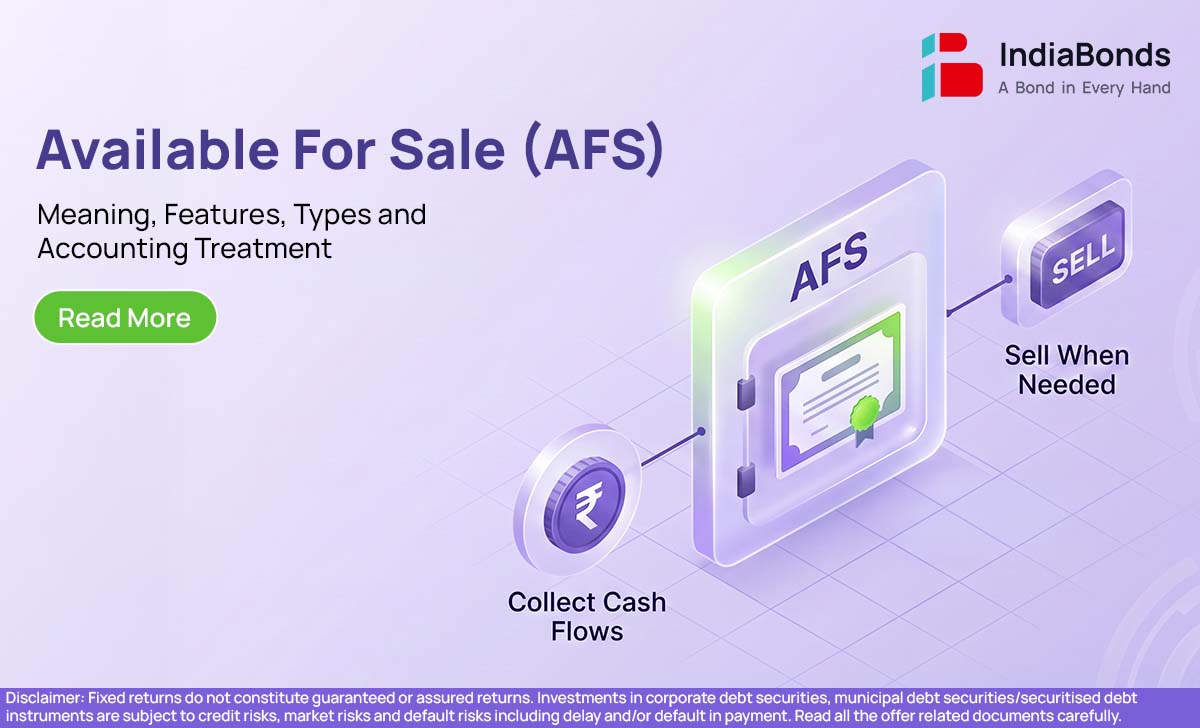
Available For Sale (AFS): Meaning, Features, Types and Accounting Treatment
A bank does not buy every bond for the same reason. Some are bought to be held to maturity and largely left alone. Others are bought with the understanding that they might be sold next quarter, if the treasury desk needs cash or spots something better. Available for Sale is the category built for that […]
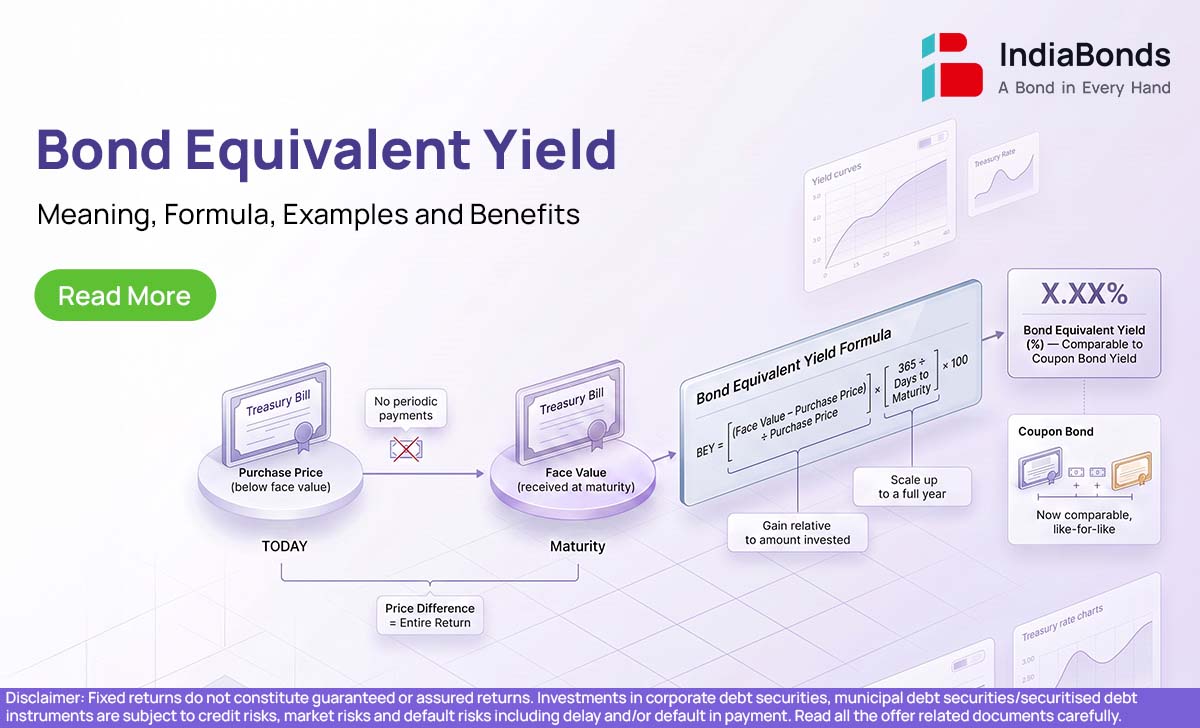
Bond Equivalent Yield: Meaning, Formula, Examples and Benefits
A 182 day treasury bill and a five year corporate bond both produce a return, but they report it in different languages. The bond announces a coupon. The bill announces nothing at all. You pay less than face value, collect face value at maturity, and the gap between the two is your entire return. Bond […]
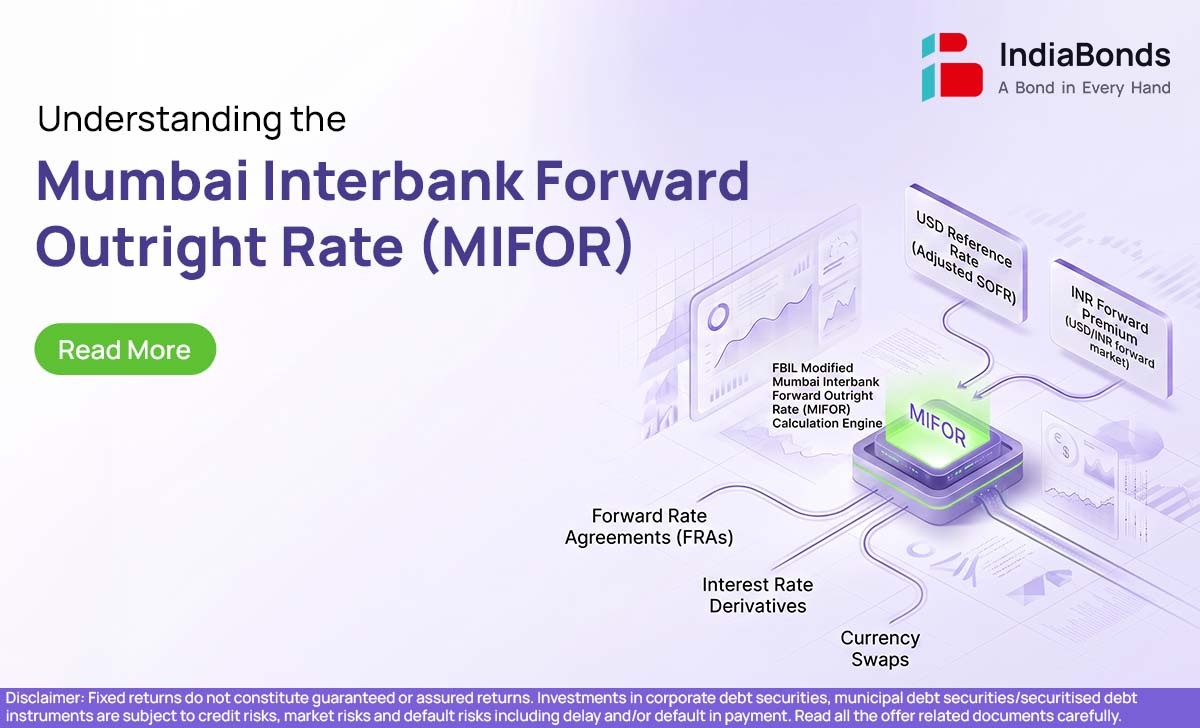
Understanding the Mumbai Interbank Forward Outright Rate (MIFOR)
Indian banks and companies often deal with loans or derivatives that involve both rupee interest rates and foreign currency movements. A plain domestic benchmark may not fully capture this mix. MIFOR was created for such transactions. It combined a US dollar interest-rate benchmark with the USD/INR forward premium to produce an implied rupee interest rate. […]
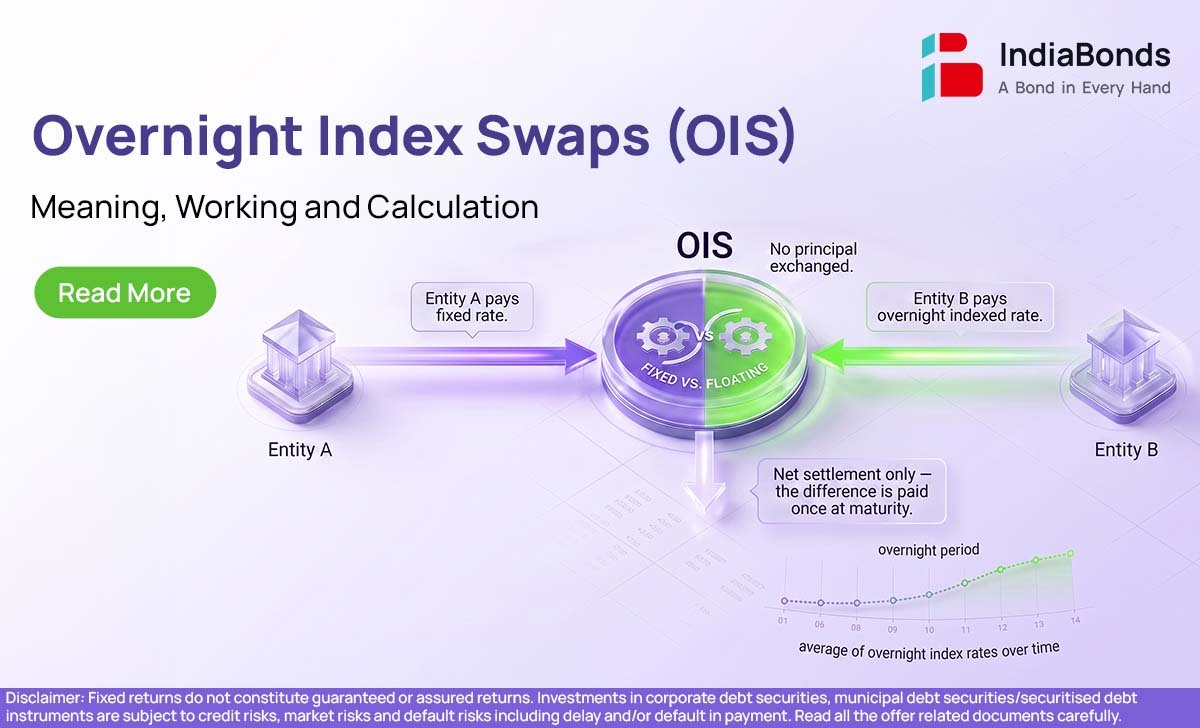
Overnight Index Swaps (OIS): Meaning, Working and Calculation
Interest rates can change quickly, but loans and investments often continue for months or years. This creates uncertainty for banks, companies and investors. Overnight Index Swaps help manage that uncertainty. Through an OIS, two parties exchange fixed and floating interest payments, with the floating side linked to a compounded overnight interest rate. Key Takeaways What […]
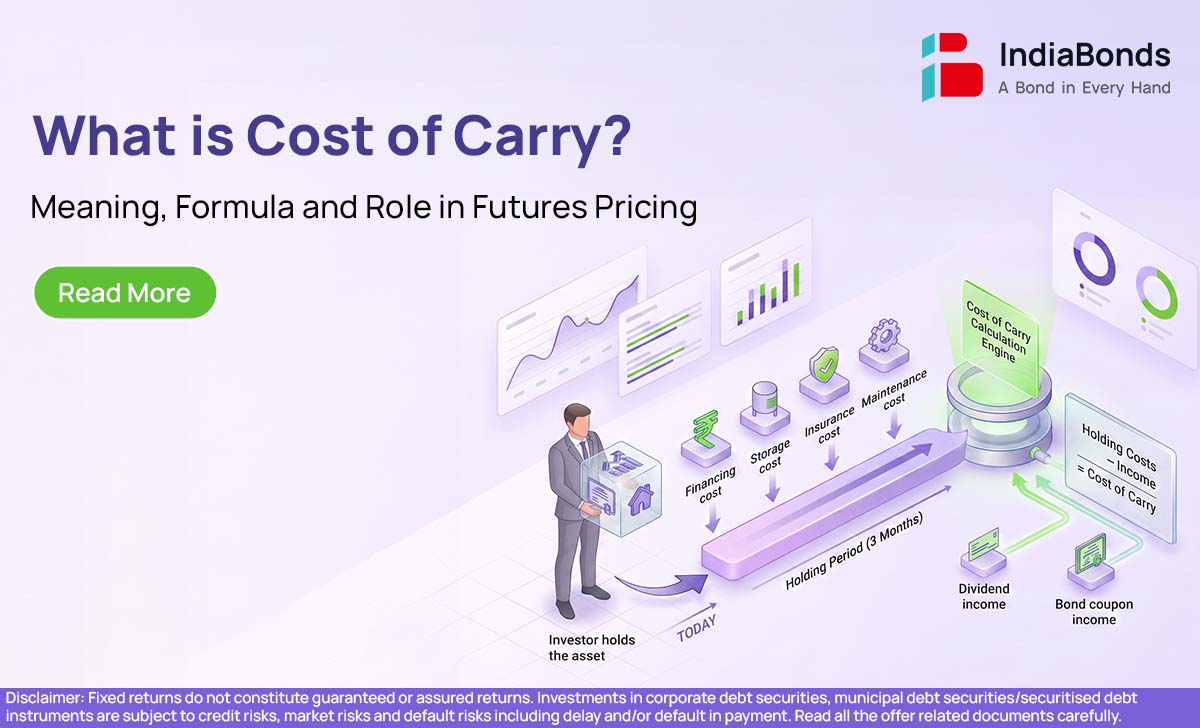
What is Cost of Carry? Meaning, Formula and Role in Futures Pricing
Buying an asset is not always the only expense involved in holding it. The owner may also pay interest, storage charges, insurance or other costs until the asset is sold. Together, these expenses are known as the Cost of Carry. The concept is especially useful for understanding why the futures price of an asset may […]
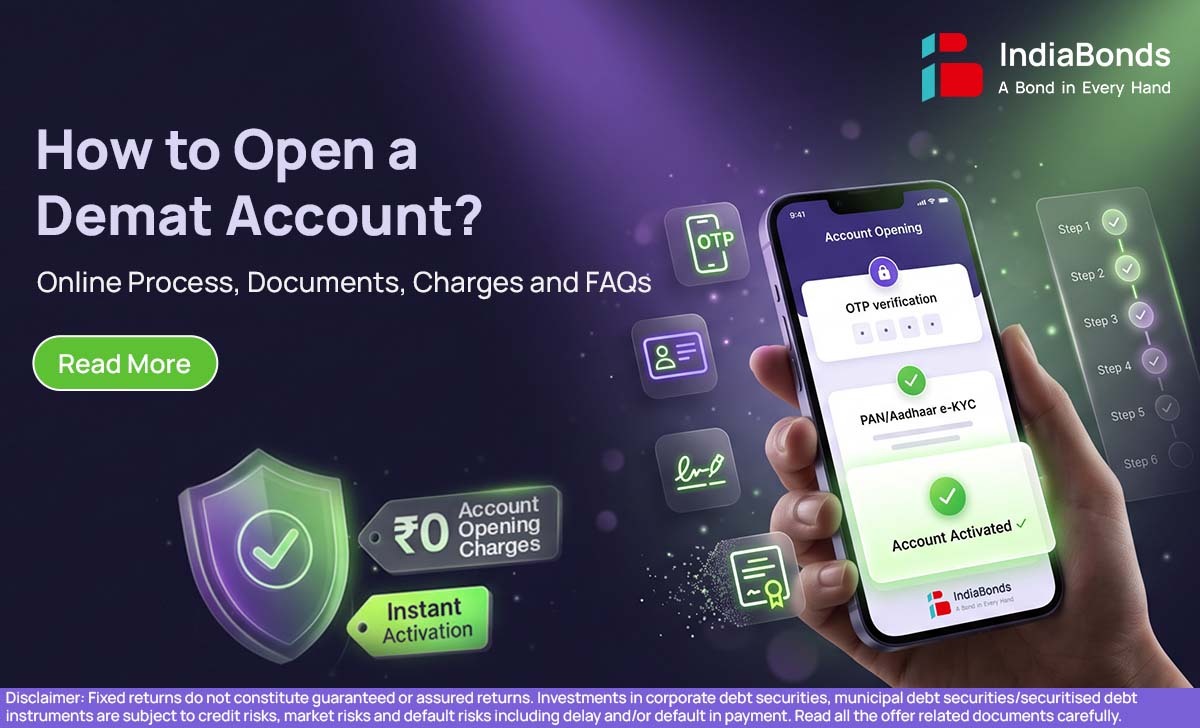
How to Open a Demat Account? Online Process, Documents and Charges
Imagine wanting to make your first investment. You have the money, you know what you want to buy, but then comes the paperwork: forms, signatures, KYC documents and a visit to the bank. For many first-time investors, opening a Demat account can seem like the most complicated part of getting started. Today, however, this process […]
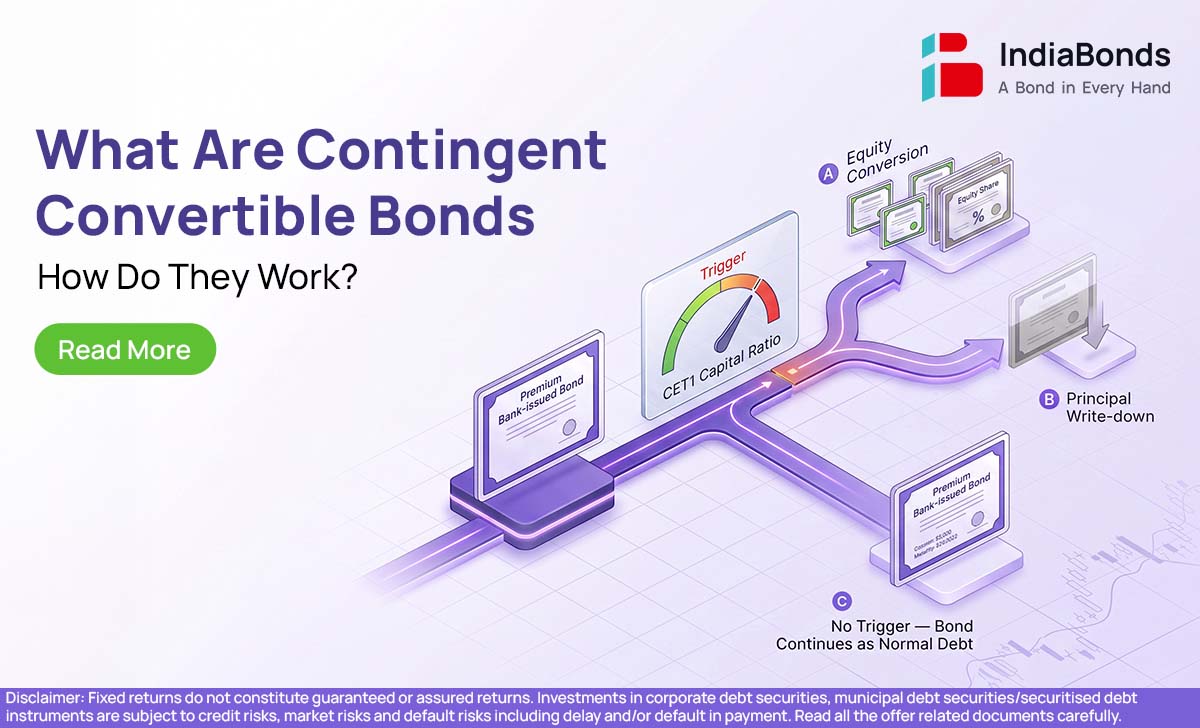
What Are Contingent Convertible Bonds and How Do They Work?
A bond usually pays interest and returns the principal on maturity. But some bonds can change their form when the issuing bank runs into financial trouble. Contingent Convertible Bonds, commonly called CoCo bonds, are built for such situations. They can absorb losses by converting into shares or by reducing the amount owed to investors. Key […]
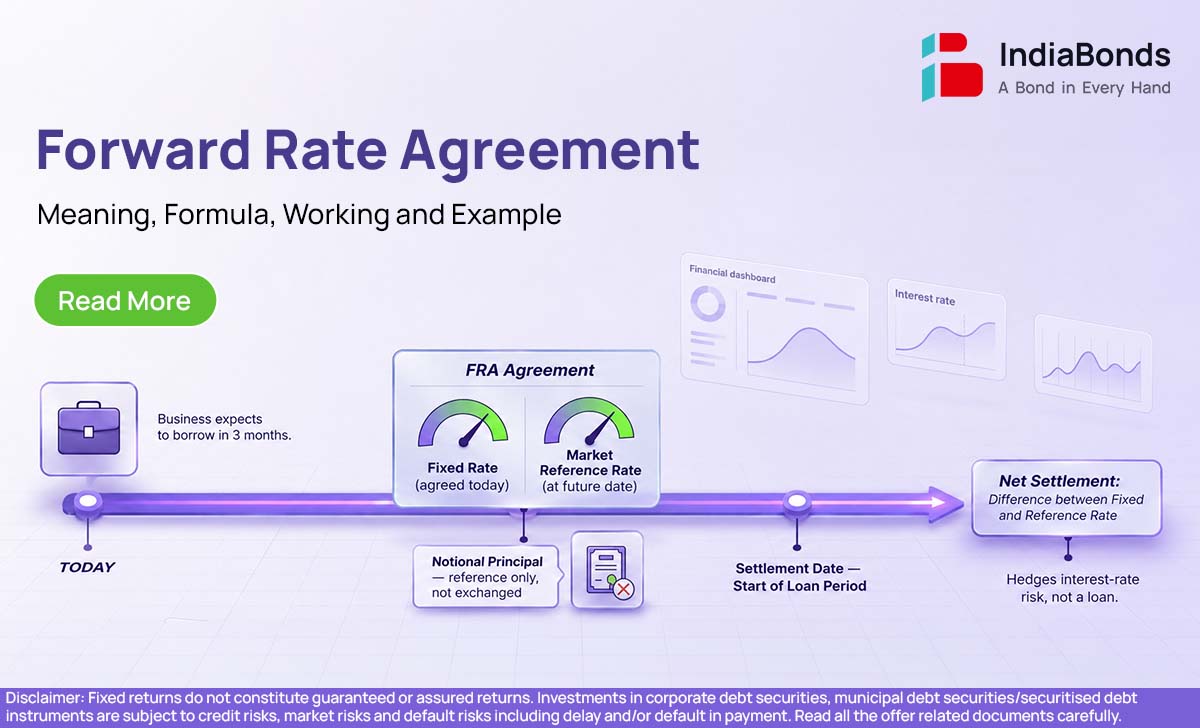
Forward Rate Agreement: Meaning, Formula, Working and Example
A company may know that it will need a loan three months from now. What it may not know is the interest rate available on that date. A Forward rate agreement helps manage this uncertainty. It allows two parties to decide an interest rate today for a borrowing or lending period that begins later. Key […]


