Blogs

Bond Indenture: Meaning, Key Clauses and Why It Matters
A bond may look simple at first. There is a coupon. There is a maturity date. There is a repayment promise. But the actual rules are written in a document called a Bond Indenture. It explains how the bond will work and what happens if something goes wrong. Key Takeaways What Is A Bond Indenture? […]

Settlement Date: Meaning, Importance and Risks
When an investor buys or sells a security, the order may get placed instantly. But the transaction is not fully complete at that moment. The actual exchange of money and securities happens later. That final completion day is called the Settlement Date. Key Takeaways The Settlement Date is the day when a trade is completed. […]
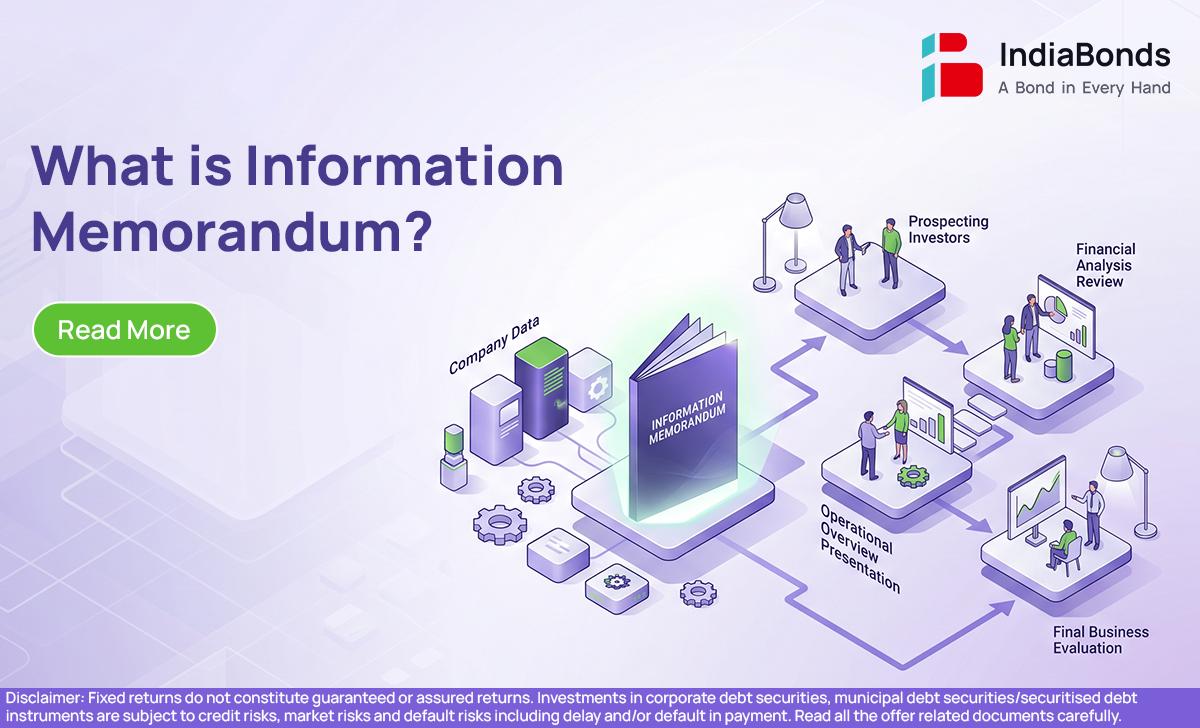
What is Information Memorandum?
Before investing in a bond, an investor needs the full picture. The coupon may look good. The maturity may also look suitable. But that is still only part of the story. The investor also needs to know who is borrowing the money, why the money is being raised, how the issuer plans to repay it, […]

Mortgage-Backed Security (MBS): Meaning, Types and How It Works
A home loan does not always stay only with the lender. Sometimes, many such loans are grouped together and converted into an investment product. This is called a mortgage backed security. Investors who buy it receive money from the repayments made by home loan borrowers. Key Takeaways A mortgage backed security is created from a […]

What is Yield to Call?
Some bonds do not always run till the final maturity date. The issuer may have the right to repay the bond earlier. This is common in callable bonds. Yield to call helps investors understand what return they may earn if the bond is called before maturity. Key Takeaways What Is Yield To Call (YTC)? The […]

Reinvestment Risk: What It Means and How Investors Can Manage It
A bond may pay on time. The principal may also come back on time. Still, the investor may face a return problem later. This is called Reinvestment Risk. It happens when money received from an investment has to be invested again at a lower rate. Key Takeaways What is reinvestment risk? Reinvestment risk is the […]

Understanding Credit Derivatives: Types, Uses, and Market Impact
Credit derivatives can be useful, but they are not simple products. The first risk is counterparty risk. The protection buyer depends on the protection seller to honour the agreement. If the seller is unable to pay when a credit event happens, the protection may not work as expected. Valuation is another challenge. The price of […]

How Bond SIP work on IndiaBonds
Bond SIP Meaning: What Exactly is a SIP in Bonds? A SIP in bonds is not a SIP in a debt mutual fund. When you invest through a debt fund, you own units of a pooled scheme and the fund owns the bonds. In a Bond SIP, you own the bonds themselves. Each one sits […]

What is Bond SIP? Meaning, Benefits and How a SIP in Bonds Works
A Bond SIP is a systematic investment plan for bonds. A fixed amount is invested automatically into listed bonds (NSE/BSE) that you own directly in your demat account, with the interest paid straight into your bank account. Indians already trust the SIP habit with their equity money, routing more than ₹28,000 crore into mutual fund […]


